digest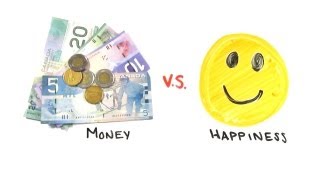
Short Summary
Main recommendation: spend money on other people and on experiences rather than material possessions, since this is more strongly linked to lasting happiness. The video argues that money can buy happiness if it is spent in the right way, though it is unlikely to be the main source of happiness in life.
Key Points
- People adapt quickly to new wealth, and income beyond about $75,000 a year in North America was reported to stop affecting day-to-day happiness.
- Lottery winners often report becoming unhappy, frequently spending everything, going into debt, and damaging social relationships.
- Spending on others makes people happier, while spending on yourself doesn't necessarily make you less happy, but it changes the nature of that happiness.
- The same effect appeared in teams and organizations: dividing a charity donation among employees to give to causes of their choice raised job satisfaction, and spending incentives on teammates improved satisfaction, team performance, and sales.
- The specific form of spending on others matters less than the act itself, whether the gift is trivial or a major charity effort.
Details Worth Noting
- Concrete instructions:
- Give some of your money to other people rather than spending it all on yourself, and notice how you feel.
- If spending on yourself, prioritize experiences such as travel or attending events over material things, since these have a greater long-term impact for most people.
- Include frequent small pleasures alongside saving for big experiences, for example a $5 latte with friends, which is different each time and offers unique happiness opportunities, instead of a $3,000 rug that provides only a one-time experience over 10 years.
- Use small, varied, repeated pleasures to get through the days and stimulate the brain with change.
- The video says the emotional rewards of spending on others are detectable at the neural level, though no specific study details are given.
- Several examples cited are from sales and sports teams, showing the effect applies beyond individuals.
- The video presents money as unlikely to be the main source of happiness, but as able to make some things easier and others more complicated.
Bottom Line
Money's effect on happiness depends mostly on how it is spent: giving to others and buying shared experiences and small frequent pleasures appear to do more for well-being than accumulating possessions.