 digest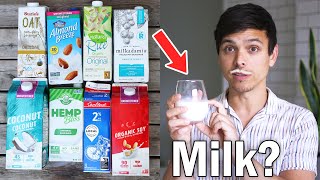
Short Summary
Main recommendation: Oat milk is the most environmentally friendly milk alternative in this video, and the speaker says that choosing any plant-based alternative over dairy milk makes a large difference. Oat milk uses very little water and land, has low emissions, and ranks as the video's overall winner.
Key Points
- Dairy milk is the worst option. An Oxford University study from 2018 found it produces three times more greenhouse gas emissions and nine times more land use than any alternative milk, and it uses the most water.
- Rice milk ranks high on emissions because bacteria in rice paddies release methane, and its heavy fertilizer use creates three times the fertilizer runoff of the other alternatives covered.
- Almond milk uses less farmland and produces lower emissions, but it is very water-intensive and is mostly grown in California's drought-prone Central Valley, where nearly 70% of commercial bees are used for pollination, and last year a third of these bees died by season's end due to these pressures.
- Soy milk ranks well on land, water, and emissions and is one of the few alternatives with protein similar to dairy, though its environmental cost depends on whether the soy comes from farms clearing forest to feed livestock.
Details Worth Noting
- Concrete instructions: To choose a greener milk, pick oat milk, or another alternative from the ranking, and avoid dairy milk where possible. If you buy coconut milk, look for brands certified fair trade because demand has driven rainforest clearing and worker exploitation. If you buy soy milk, read the carton to find products from Canada or the USA to support ethical practices. If you buy hazelnut milk, try to determine where it comes from because some regions have reported child labor concerns, such as in Turkey.
- Dairy milk uses about 120 liters of water per 200 milliliter glass, while rice milk uses 54 liters per glass and almond milk uses about 370 liters per liter carton.
- Oat milk's main drawback is that it is a monoculture crop, making it more prone to disease and pests and therefore dependent on pesticides and chemicals. Currently 50 to 90% of oat production goes to animal feed.
- Hemp, pea, and macadamia milks are mentioned as honorable mentions with less research, with pea milk producers claiming only 25% of dairy's emissions, and macadamia milk noted for using less water and being grown in less water-scarce regions.
Bottom Line
Any plant-based milk is a far better environmental choice than dairy, and oat milk is the best option among those reviewed, with rotating between alternatives also acceptable depending on taste and diet.


