 digest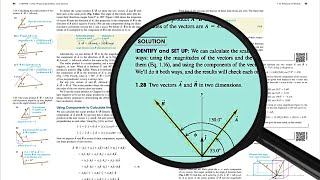
Short Summary
Main recommendation: Read textbooks in short, focused sessions and use active, fact-checking habits, not passive reading, to understand the material deeply. The video presents three tips: sipping rather than chugging, reading actively by testing yourself before checking answers, and reading proactively by recalling previous material before each session.
Key Points
- Tip 1: Sip, don't chug. Limit focused reading to about 10 to 15 minutes, or at most a half hour, and cover only a few pages (roughly three to five).
- Tip 2: Read actively. Treat the text like a fact checker or suspicious detective rather than accepting what is written.
- Tip 3: Read proactively. Before a new session, write down what you remembered from the last one.
- The speaker notes that textbooks are dense, efficient, rarely repeat themselves, and have a hierarchy, so they must be read differently from newspapers or novels.
- Understanding fundamentals well matters most, since weak grasp of early topics (e.g., multiplying vectors) makes later physics hard.
Details Worth Noting
- Concrete instructions:
- Set a focused reading block of 10 to 15 minutes, up to about 30 minutes at most.
- Read only about three to five pages per session, and expect to backtrack to connect the pieces.
- When you reach an example problem, cover the answer and attempt the question first.
- Compare your answer to the textbook's solution, and note whether any mistake was small or conceptual.
- Before opening the textbook, get a piece of paper and write down what you remember from the previous session.
- Use that written recall to check your understanding, reinforce memory, and activate prior knowledge for the new material.
- The speaker says the answer-covering method builds metacognition, meaning better awareness of what you actually know, which makes studying more efficient over time.
- The speaker notes that some forgetting is beneficial for long-lasting learning, which is why recall is used before rereading.
- The tips are framed as the speaker's personal approach rather than established research, though the speaker references concepts like free recall and metacognition.
Bottom Line
Effective textbook study comes from short, deliberate sessions where you test yourself and recall prior material before you read, rather than reading long stretches passively.




