 digest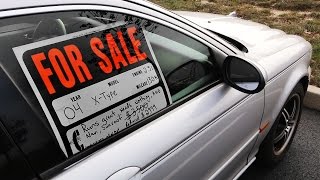
Short Summary
Main recommendation: Inspect a used car in five areas before committing time to a test drive: the For Sale sign, body, wheels and tires, interior, and underside. The speaker walks through a 2004 Jaguar X-Type 2.5 listed at $3,000 as a real-world example, flagging problems that could justify walking away or negotiating down. The core message is that anyone can do a basic visual inspection without being a car expert.
Key Points
- Check the For Sale sign first: look for the year, mileage, and price, and skip cars with no listed price or inflated prices that won't negotiate down to your buying point.
- Be wary of crossed-out "original" prices, which can make a discount feel bigger than it is; focus on the actual asking price.
- Inspect the body for scratches, dents, rust, and past repairs, and never inspect a wet car because water hides damage.
- Check all four tires and wheels for matching brands, matching rims, and curb rash, then measure remaining tread.
- Look through the windows at the interior for seat tears, steering wheel wear, sagging headliner, and the transmission type.
- Inspect the underside for rust, leaks, and frame or rear-collision damage, researching known weak spots for the specific model.
Details Worth Noting
- Concrete instructions:
- Skip any car whose For Sale sign lacks a price.
- Inspect the body in daylight on a dry car, and look at panels from several angles because chips and scratches are hard to see.
- Tire tread test: place a penny head-down in the tread groove; if you can see the top of Lincoln's head, the tread is too low and tires need replacing. Without a penny, check whether the wear indicator bar touches the tread edge, which means replace immediately.
- Make sure all four tires are the same size, front tires match each other, and rear tires match each other; avoid a different tire on each corner.
- Make sure all rims match, since mismatched rims can indicate a cheap or patched-together car.
- Check the inspection sticker; an expired inspection may signal problems or a car that has sat for a long time.
- Check brake rotors: shiny rotors suggest recent use, while rusty rotors can suggest the car has been sitting.
- Research the model's known rust or failure points before inspecting the underside, since metal can be weaker than it looks.
- Check the spare tire carrier and rear frame for crumples, which are hard to straighten after a significant rear-end collision.
- Repair cost examples given: dent removal around $100, windshield replacement over $500 on a Jaguar, and matching paint on older cars is difficult.
- Headlight haze can be fixed with a permanent restoration method that the speaker says is pretty cheap, so it is not a big deal.
- The speaker notes that minor scratches and dents can lower a car's price in negotiation, which can work in the buyer's favor.
- The next video covers questions to ask the seller by phone and test drive tips, which are not included in this transcript.
Bottom Line
A quick visual check of the price, body, tires, interior, and underside can tell you whether a used car is worth calling the owner about, and it also gives you negotiating leverage.




