 digest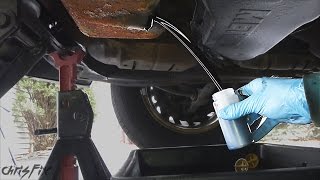
Short Summary
Main recommendation: Use an oil analysis kit, such as the Blackstone Labs kit, to test used engine oil and assess engine wear over time. In this video, ChrisFix tests a 1995 Ford Windstar at 292,059 miles, showing that oil analysis can reveal internal wear and coolant contamination that are not obvious from driving alone.
Key Points
- The oil sample was taken after the engine idled for a few minutes to warm the oil and evaporate condensation, then drained into a catch container and sealed in a bag to avoid contamination.
- The last oil change was at 284,000 miles using 5W-30 oil, meaning the oil had been in service for about 8,000 miles, compared to the lab's universal averages which are based on 5,200-mile oil changes.
- Elevated iron, copper, lead, tin, and aluminum suggested wear in bearings, bearing-shaft interfaces, and likely pistons, which the presenter says is expected for an engine of this age and mileage.
- High potassium and sodium, both antifreeze inhibitors, pointed to coolant in the oil; the presenter notes no froth or noticeable coolant loss was seen, and attributes the detection to how sensitive the test is, without concluding definitively how minor the leak is.
- Oil viscosity was high because a quart of STP oil treatment had been added, which contains mostly mineral oil and also zinc alcohol dithiol phosphate; the lab's zinc reading reflected this additive.
Details Worth Noting
- Concrete instructions: Run the engine for a few minutes to warm and circulate the oil and evaporate condensation. Place a container under the oil pan drain, collect the oil as it flows, fill the sample bottle to the top, seal it tightly, and wipe the outside clean with a paper towel before mailing it in a sealed bag.
- Concrete instructions: Keep a log of sample results over time by repeating the test at a set interval, such as every 25,000 to 30,000 miles, to track trends rather than relying on a single reading.
- Concrete instructions: The kit itself is free to receive from Blackstone Labs, but it costs $25 per sample to send in for testing, with results available online.
- Readings are reported in parts per million, so a value such as 8 ppm aluminum means 8 parts of aluminum per million parts of oil; the results are compared against a shaded column of universal averages.
- Insolubles were low, which the presenter says indicates the oil filter was doing its job over the 8,000-mile interval.
- Flash point was 415°F, above average and reassuring; a low flash point could suggest fuel dilution from worn piston rings.
- Water was absent from the sample, and fuel content was low.
- The presenter describes this as an informational test rather than professional diagnosis; the results were interpreted with the lab's comments.
Bottom Line
The test shows a very high-mileage engine with signs of expected wear and a small but detectable coolant contamination, while the oil filter still performed well. Regular oil analysis can give useful early warning on internal engine condition.




