digest
Short Summary
Main recommendation: Eat a wide variety of colourful fruits and vegetables to get a range of plant pigments (phytonutrients), since each colour group offers different benefits. The video walks through carotenoids (beta-carotene, lycopene, lutein) and flavonoids (anthocyanins, quercetin), explaining where each is found and what it is associated with.
Key Points
- Beta-carotene is an orange pigment abundant in carrots, winter squash, sweet potatoes, and oranges; the body converts it to vitamin A as needed.
- Dark leafy greens also contain beta-carotene, but their green chlorophyll masks the orange colour.
- Lycopene, a red carotenoid found mainly in tomatoes (also watermelon), is more accessible when tomatoes are cooked; the speaker says it has an affinity for the prostate gland and is used for issues like prostatic enlargement and prostate cancer.
- Lutein, a yellowish carotenoid in green leafy vegetables, green peas, and broccoli, is said by the speaker to have an affinity for skin and eye health and is often paired with zeaxanthin.
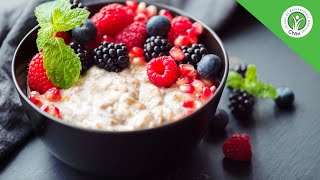
- Anthocyanins (red, purple, blue) are found in blueberries, blackberries, and purple carrots and are described as strong antioxidants.
- Quercetin, a yellow flavonoid found in onions, broccoli, apples, citrus, and berries, is described by the speaker as having anti-inflammatory and antihistamine effects.
Details Worth Noting
- Concrete instructions: The video gives no step-by-step preparation, dosage, or timing. Its practical advice is to include the listed colourful produce in the diet, choosing orange foods for beta-carotene, red tomatoes (cooked) for lycopene, green leafy vegetables and broccoli for lutein, dark berries for anthocyanins, and onions, apples, and citrus for quercetin.
- Cooking tomatoes makes lycopene more accessible, a useful food-prep detail.
- The speaker notes that lutein offers some protection against UV damage in the skin, but explicitly says this does not mean it is safe to lie in the sun without sunburn risk.
- Lutein and zeaxanthin often occur together and are described as beneficial for eye health in combination.
- Health claims (prostate, eye, skin, allergy effects) are the speaker's description and are not professional medical advice.
Bottom Line
Colour is a practical guide to plant pigment variety: building meals around several colour groups covers a wider range of these compounds than relying on any single food.