 digest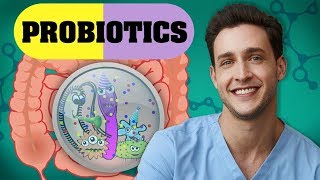
Short Summary
Main recommendation: The average healthy person should not take a daily probiotic supplement, since benefits have not been proven to outweigh the risks and cost, and instead should get gut-friendly bacteria from diet, such as fiber-rich foods plus yogurt, sauerkraut, and kimchi. Probiotics are live microorganisms, mostly bacteria and sometimes yeast, that provide a health benefit, and the video stresses that the gut microbiome's role in disease, mood, and appetite is still not fully understood.
Key Points
- Probiotics are live microorganisms, mainly bacteria and sometimes yeast, that provide a positive health benefit to the person taking them, and most of them end up in the colon.
- The gut microbiome supports nutrient extraction, immune function, and the integrity of the intestinal wall, but links to diabetes, obesity, heart disease, depression, and anxiety are cause-and-effect unclear.
- Supplements are not one-size-fits-all: there are 7,000 to 9,000 bacterial strains, and a recent Israeli study suggested some probiotics can harm the microbiome depending on the product.
- Probiotic supplements are generally considered safe, but they carry risk for people with weakened immune systems or certain illnesses such as cancer.
- Diet choices that harm the microbiome include refined carbohydrates (white bread, white pasta, white rice, sugar, artificial sweeteners), poor sleep, overuse or inappropriate use of antibiotics, and chronic stress.
- Evidence of benefit is limited to specific cases: traveler's diarrhea, antibiotic-associated diarrhea, necrotizing enterocolitis in young children, and inflammatory bowel disease such as ulcerative colitis.
Details Worth Noting
- Concrete instructions:
- Eat more vegetables, whole grains, and legumes, which are fiber-rich foods that act as prebiotics, feeding the good bacteria.
- Include probiotic-rich foods such as yogurt, sauerkraut, and kimchi.
- Avoid diets high in refined carbohydrates (white breads, white pasta, white rice, sugars, artificial sweeteners).
- Get enough quality sleep, since gut bacteria also follow a circadian rhythm.
- Use antibiotics only when appropriate, and reduce chronic stress.
- Before starting a probiotic, talk with a doctor or health professional, and do not skip proven treatments for your condition in favor of unproven ones.
- Check the label: confirm the expiration date and storage instructions, look for at least 5 billion CFUs (colony-forming units), and prefer enteric-coated probiotics, which are less likely to be destroyed by stomach acid.
- The gut-mind connection is described as preliminary research suggesting gut bacteria may influence emotions, depressive and anxiety symptoms, mood, and appetite.
- The term mutualism is used for relationships where both parties benefit, illustrated by the oxpecker bird eating ticks off a rhino.
- The speaker notes most microbiome research is recent, with most studies appearing in the last 20 years.
Bottom Line
Probiotic supplements are not proven to benefit healthy people, so the more reliable route to a healthy gut is a diet rich in fiber and fermented foods, combined with good sleep and lower stress, with supplements reserved for specific conditions and decided with a clinician.




