digest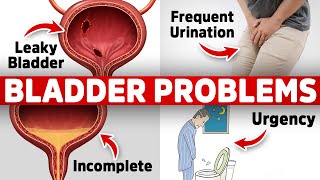
Short Summary
Main recommendation: Correct a suspected vitamin B1 (thiamine) deficiency as the common root of bladder problems by taking two forms of B1 (benfotiamine and natural water-soluble B1) for two to three months, while reducing carbohydrate intake. Dr. Eric Berg links urinary urgency, leakage, incomplete urination, frequent urination, and nighttime urination to nerve control of the bladder, which he says is vulnerable to B1 deficiency.
Key Points
- The bladder is controlled by the brain's periaqueductal gray matter and the autonomic nervous system, which the speaker says are especially sensitive to B1 deficiency.
- The speaker links B1 deficiency to diabetic autonomic neuropathy, noting that about 50 to 70 percent of people with type 2 diabetes have bladder problems.
- B1 is needed for myelin sheath production around nerves and for energy production from carbohydrates and glucose, so higher carb intake increases the need for it.
- He says insulin resistance, which he says affects about 60 to 70 percent of the population, and aging can worsen B1-related bladder control problems.
- Other causes such as prostate enlargement, bladder prolapse, infection, excess water before bed, or fibroids are acknowledged, but the speaker says B1 deficiency is more common across these issues.
Details Worth Noting
- Concrete instructions:
- Take two forms of B1: a fat-soluble B1 called benfotiamine and a natural (not synthetic) water-soluble regular B1.
- Continue both for about two to three months, since heavy deficiency takes time to correct; the speaker says most people should see improvement within the first two weeks.
- Reduce carbohydrate intake by following a low-carb diet, which he says includes intermittent fasting.
- Drink about two and a half liters of fluid spread through the day, and avoid drinking past six or seven o'clock at night to dilute urine and reduce nighttime urges.
- Optionally add one to two tablespoons of apple cider vinegar to water, which the speaker says can help blood sugar, especially with insulin resistance.
- Limit caffeine to a small cup of coffee in the morning.
- Manually massage the bladder within personal tolerance by pressing into the area, which he says may prompt urination and help empty residual urine.
- The speaker says the B1 link was supported by research he shares in the video description, which was not included in the transcript.
- He says urine concentration (chemoreceptors) and volume (mechanical receptors) both affect the urge to urinate, which explains why adequate hydration can help.
- The speaker says other B1 depletion causes beyond sugar and carbs exist and points to a separate video on that topic.
Bottom Line
The speaker presents B1 deficiency as a frequently overlooked, common contributor to bladder control problems, so viewers with these symptoms may want to discuss B1 status and carbohydrate intake with a health professional before relying on medication or surgery.