digest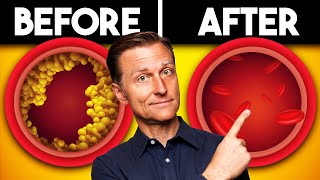
Short Summary
Main recommendation: Eat a meal built around wild-caught salmon, sauerkraut, arugula salad with extra virgin olive oil and apple cider vinegar, authentic Parmigiano-Reggiano, and garlic to support the arteries and help reduce arterial plaque. The speaker frames plaque as a mix of calcium, protein, and cholesterol, with biofilms and inflammation as contributing factors.
Key Points
- Plaque is described as a combination of calcium, protein, and cholesterol; the calcium is often linked to biofilms, which are colonies of microbes that build calcium shells to protect themselves.
- Plaque tends to stick to roughened or irritated artery walls caused by lesions, oxidation, inflammation, or damage from excessive sugar, and the speaker links this to diabetes, pre-diabetes, omega-6 fatty acids, junk food, and alcohol.
- Vitamin K2 is presented as the nutrient that drives calcium into bone, and without enough of it, calcium may deposit in soft tissues such as arteries and joints.
- Vitamins C and E are highlighted for protecting the arterial lining from oxidation and inflammation; vitamin E is also said to support heart muscle oxygenation.
- Omega-3 fatty acids should be kept high and omega-6 low, and the speaker says the meal should center on omega-3 sources.
- Periodontal (mouth) bacteria are linked in several studies to arterial plaque, and bacterial translocation through gum or gut lining is mentioned as a possible route into the bloodstream.
Details Worth Noting
- Concrete instructions: Build the meal around these foods: wild-caught salmon for omega-3s; sauerkraut as a fermented cabbage source of lactic acid bacteria, vitamin C (about seven times the requirement, per the speaker), and vitamin K2; a large arugula salad topped with extra virgin olive oil (the real stuff), apple cider vinegar (or red balsamic vinegar as an alternative), sunflower seeds for extra vitamin E, shaved authentic Parmigiano-Reggiano from Italy (eaten daily by the speaker), and garlic in powder, fresh, or fermented form. Avoid the Americanized Parmesan, which the speaker says may be aged about 10 months instead of 1 to 3 years and may contain cellulose filler.
- The speaker says authentic Parmigiano-Reggiano is aged one to three years in Italy and is produced by a collective of farmers in Northern Italy, with cows fed grass rather than grain.
- Lactic acid bacteria are described as supporting blood pressure reduction, inhibiting biofilms, supporting the gut, regulating small dense LDL, and increasing secondary bile salts that aid absorption of vitamins E, D, and K2.
- Arugula is described as cruciferous, bitter, blood-glucose lowering, containing DIM, fiber, and potassium, and is presented as superior to regular lettuce.
- Garlic is described as potentially thinning blood for people at high clotting risk, helping lower blood pressure, and having antimicrobial and anti-biofilm effects.
Bottom Line
The speaker presents a food-focused approach to arterial health, though the claims are his own interpretation and should not be taken as professional medical advice.