digest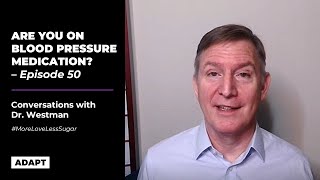
Short Summary
Main recommendation: Before starting blood pressure medication, ask your doctor whether an effective lifestyle approach, such as a low-carb or keto diet with home monitoring, can be used instead, since Dr. Westman says many people can lower or stop blood pressure medication through weight loss and metabolic changes. Dr. Westman also warns that some common blood pressure drugs can cause fatigue, raise blood sugar, or cause ankle swelling, and that medication doses must be monitored as blood pressure improves.
Key Points
- Dr. Westman says high blood pressure is so common that it is almost assumed in Americans, but he does not believe it must be part of aging.
- He links high blood pressure to arterial damage (atherosclerosis) and warns that very high pressure can cause a heart attack or stroke.
- Some medications, especially beta blockers such as metoprolol and atenolol, and thiazide diuretics such as hydrochlorothiazide, can cause fatigue, sexual side effects, or raised blood sugar that may lead to a diabetes diagnosis.
- Calcium channel blockers can cause ankle swelling, which Dr. Westman says is often wrongly attributed only to obesity and may go away when the medication is stopped.
- Blood pressure medications usually take weeks to months to adjust, unlike some diabetes medications that can be reduced very quickly.
- Dr. Westman says about 10 percent of people, especially those in their 60s or 70s, may still need blood pressure medication even on keto, due to stiffer arteries, though he also says 90 percent might be able to get off medication if told about options.
Details Worth Noting
- Concrete instructions: Dr. Westman suggests buying a home blood pressure monitor (he says box stores sell them for about $30 to $50, or you can use a local fire station) and measuring blood pressure daily, especially while reducing medication.
- Concrete instructions: Contact your doctor promptly if the top number drops under 110, 105, or 100, or if you feel weak or dizzy when standing; these are warning signs that medication may need to be reduced.
- Concrete instructions: Ask your doctor whether alternatives to medication exist, and if the condition is not urgent, say you would like to do some research before starting a prescription.
- Concrete instructions: Dr. Westman suggests looking for keto-friendly or low-carb-friendly doctors, and mentions the Society of Metabolic Health Practitioners, a new organization he helped create, as a resource.
- Dr. Westman does not recommend stopping or reducing medication without medical supervision; he says medication should be adjusted with a doctor who understands the process.
- He describes blood pressure medication taking effect slowly, which he contrasts with insulin, where blood sugar can drop quickly and needs close care.
- He states that taking blood pressure medication too strongly after lifestyle change can cause low blood pressure, leading to lightheadedness, dizziness on standing, or fainting.
Bottom Line
Blood pressure medication should not be treated as automatic; Dr. Westman argues that a doctor who understands lifestyle treatment and close home monitoring can help many people reduce or stop medication, but this should be done under medical guidance.