digest
Short Summary
Main recommendation: Follow a ketogenic diet, a very low-carb, high-fat eating plan (roughly 70–80% fat, 25% protein, 5% carbs) that shifts the body from burning sugar to burning fat and producing ketones for fuel. The speaker presents it as a fit for weight loss, hormone balance (especially PCOS), mental clarity, type 2 diabetes risk reduction, heart health, and possible cancer support, while noting precautions and suggesting a more flexible "keto-cycling" approach for long-term use.
Key Points
- The diet was developed in the 1920s to treat epilepsy and seizures, based on the idea that the brain is largely made of fat and cholesterol.
- The speaker claims insulin regulation on the diet can help balance other hormones such as estrogen, progesterone, and cortisol, particularly for women with PCOS.
- Reported mental clarity benefits are linked to ketones serving as brain fuel and to reduced inflammation from frequent carb and sugar intake.
- For type 2 diabetes, the speaker argues that lowering carbs gives insulin receptor sites a chance to avoid burning out.
- The speaker says he knows a doctor who "beat cancer" with the diet and cites "thousands of cases," but states the diet alone does not cure cancer; he pairs it with supplements and holistic care.
Details Worth Noting
- Concrete instructions: Keep net carbs to about 30–50 grams per day, and stay around 50 or under. Start with a higher fat ratio (about 80% fat in the first week or two), then move toward roughly 70% fat, 25% protein, and 5% carbs.
- Concrete instructions: For keto-cycling, follow the ketogenic diet about four days a week and add carbs on the other three days, such as a little more fruit, rice, or sweet potato on occasion. The speaker says his wife does this.
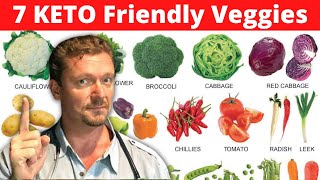
- Concrete instructions: Drink plenty of water and eat electrolyte-rich vegetables such as celery and cucumber, along with plenty of leafy greens and alkaline foods.
- Concrete instructions: Avoid over-exercising in the first few days while the body adapts, since blood sugar can drop before full ketosis is reached.
- Concrete instructions: Prioritize foods such as olive oil, MCTs (coconut oil), ghee, butter, avocados, flaxseeds, bison and grass-fed beef, wild-caught fish, bone broth, organic chicken skin, and non-starchy vegetables. Avoid added sugars, all grains, most processed foods, most alcohol, and processed meats.
- The speaker notes that many people manage the diet for about 30 days, possibly 90 or more, before moving to a modified or cycled approach.
- Expect a possible "keto flu" of flu-like symptoms as sugar cravings are broken, which the speaker compares to withdrawal from caffeine or nicotine.
- The speaker's claims about cancer, PCOS, and diabetes come from his clinical experience and anecdotes; the transcript does not cite specific studies, and this is not professional medical advice.
Bottom Line
The ketogenic diet is presented as a high-fat, very low-carb approach with broad benefits, but the speaker's most flexible and sustainable suggestion is to cycle in and out of ketosis under about 50 net carbs a day, ideally with medical guidance.