 digest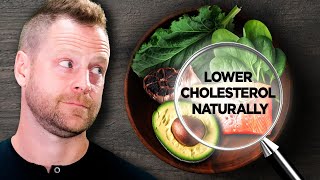
Short Summary
Main recommendation: Dr. Livingood advises lowering LDL cholesterol naturally through a five-food list (garlic, fiber sources, avocado, fish, and clean low-carbohydrate eating combined with rotational fasting), while cautioning that the oxidation of cholesterol, not cholesterol itself, is the core concern. He also argues that statin drugs carry significant side effects and risks, though the transcript does not provide evidence for these claims beyond the speaker's statements.
Key Points
- The five foods promised by the title, counted from the video: (1) Garlic, especially aged garlic; (2) Fiber sources such as beans and dark leafy greens, with beta glucans preferred over oats; (3) Avocado, eaten whole; (4) Fish, eaten twice a week or taken as fish oil; (5) Clean low-carbohydrate eating combined with rotational fasting.
- The speaker says LDL standards were lowered from 240 to 200 a few years ago, leading to many more statin prescriptions.
- He argues that the oxidation of LDL cholesterol damages artery walls, and that small LDL particle sizes are the marker to watch.
- He claims cottonseed, canola, and vegetable oils are rancid and add to LDL; plant oils like avocado, olive, and coconut normally help lower LDL, but for people with small LDL particle sizes he recommends cutting out even these 'good' plant oils and using butter and ghee instead.
- He describes his own cholesterol support supplement and lifestyle programs, which are promoted in the video.
Details Worth Noting
- Concrete instructions: Add garlic to meals, favoring aged garlic (the speaker mentions his supplement contains aged garlic, and he says aged garlic shows a bigger effect).
- Concrete instructions: Eat beans and green leafy vegetables for fiber, and get beta glucans from vegetable or bean sources rather than mainly from oats; supplemental beta glucan is also mentioned.
- Concrete instructions: If you have small LDL particle sizes, cut out plant-based oils (avocado, olive, coconut, and others) and use butter or ghee instead, without heating them too hot; if you do not have an LDL problem, the speaker says those plant oils are good stable choices.
- Concrete instructions: Eat one whole avocado daily, which he says lowered LDL more than not eating one in one cited study of overweight and obese adults; freeze them, add to smoothies, salads, toast, or eggs, and choose avocado-based mayo over other oil-based options.
- Concrete instructions: For low HDL (he defines this as 25 percent of total cholesterol not being HDL), eat fish twice a week or take 750 to 1500 milligrams of fish oil daily.
- Concrete instructions: Use clean, low-carbohydrate eating with rotational fasting, with clean carbohydrates in small amounts, lots of fiber, and good sources of protein and fat.
- The speaker says the most important marker he watches is small LDL particle size, and he mentions also checking CRP.
- He says that if someone is already on statin drugs, they should consider CoQ10 and cholesterol support, but this is his recommendation and not professional advice.
Bottom Line
Cholesterol oxidation, especially of small LDL particles, is presented as the real concern, and diet and fasting changes are framed as the main levers, though the claims here reflect the speaker's views and promoted products rather than verified medical guidance.


