 digest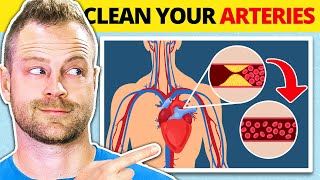
Short Summary
Main recommendation: Eat a heart-healthy diet built around these 15 foods, with the top priority on fish and fish oil for omega-3s. The video frames the list as a practical way to lower cholesterol, blood pressure, inflammation, and heart disease risk, drawing on the speaker's personal experience with his father's heart event and on the studies he cites.
Key Points
- The promised list of 15 foods, from #15 to #1, is: 15) sea salt (real, unrefined salt); 14) green tea; 13) olive oil; 12) garlic (including aged garlic extract); 11) chia and flax seeds; 10) raw almonds; 9) tomatoes; 8) dark chocolate; 7) beans; 6) walnuts; 5) avocado; 4) berries; 3) whole grains; 2) green leafy vegetables; 1) fish and fish oil.
- The speaker argues that real salt with electrolytes such as potassium and magnesium supports heart health, while table salt is toxic. He cites a large study showing very low and very high salt intakes both linked to higher risk, with moderate sea salt intake associated with fewer heart attacks and strokes.
- Fish and fish oil are presented as the single most important food for heart health, based on omega-3 research that began with Dr. Dyerberg's 1960s work with Greenlandic Inuit (described in the video as indigenous Eskimo communities).
- Several foods are linked to specific measured effects: avocado to lower small LDL particles, berries to improved blood vessel function and blood pressure, and beans to better blood sugar control and lower LDL.
- Fiber, antioxidants, and omega-3s are repeatedly cited as the mechanisms, mainly through reduced inflammation and better lipid levels.
Details Worth Noting
- Concrete instructions: Use olive oil on salads and cook it on very low heat, because heating it too hot damages its antioxidants; if it smokes, throw it out and start over.
- Concrete instructions: Eat raw almonds, not those cooked in rancid oil or coated in sugar; 1.5 ounces (about 43 grams) daily was used in one six-week study. Soaking them overnight and sprouting is optional.
- Concrete instructions: Slice two fresh tomatoes, add sea salt and a little pepper; the speaker cites a study where two raw tomatoes four times a week raised HDL in overweight women.
- Concrete instructions: Choose organic dark chocolate with few additives and keep consumption moderate, under six servings a week, which the speaker says was linked to lower coronary heart disease risk.
- Concrete instructions: Buy chia and flax in whole seed form rather than oil, since flaxseed oil can go rancid quickly; chia seed pudding and smoothies are suggested uses.
- Concrete instructions: Choose whole grains only, such as whole grain wheat, sprouted wheat, or whole seeded bread, avoid crackers, white bread, and tortillas high in bad fats, and consider bean-based pasta. Whole grains were linked to up to a 22 percent reduction in heart disease risk.
- Concrete instructions: Add a handful of spinach or kale to smoothies, or use a powdered greens product as a shortcut. Note that people on vitamin K-sensitive medication such as blood thinners should not overdo leafy greens.
- Concrete instructions: Eat fish such as salmon, mackerel, sardines, and tuna; if fish intake is low, take a concentrated omega-3 supplement. The speaker also mentions a combined omega and turmeric product he helped develop.
- Caveats: The avocado study covered 45 people, and the speaker notes that small LDL particle size is what matters most; measuring it is covered in a separate video. Nightshade sensitivity is a reason to skip tomatoes, and sensitivity to almonds is a reason to skip them.
- Context: The speaker is promoting his own supplements and a free heart health course linked in the description, which the summary reports without endorsing.
Bottom Line
The video's core message is that a diet emphasizing fish and omega-3s, whole plant foods, and minimally processed ingredients may help improve the cholesterol, blood pressure, and inflammation markers tied to heart disease, though the claims rest largely on the speaker's cited studies and his commercial products. This is information from the video, not professional medical advice.


