 digest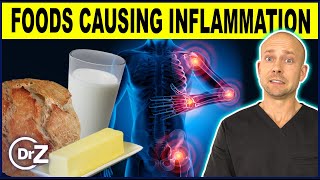
Short Summary
Main recommendation: Cut back on bad fats, grains, added sugar, dairy milk, and grain-fed or processed meats, which Dr. Nick Zyrowski says drive inflammation, and replace them with the alternatives he names. He presents the "Top 5 Foods That Cause Inflammation" as a numbered list, which is set out below.
Key Points
- Top 5 inflammatory foods (as listed in the video):
- Bad fats (vegetable oil, canola oil, margarine, soybean oil; labeled as hydrogenated or partially hydrogenated oils)
- Grains (especially bleached white flour and GMO grains)
- Sugar (especially highly processed sugars such as high fructose corn syrup)
- Dairy milk
- Grain-fed meats and processed meats
- Bad fats are high in omega-6, which triggers inflammation and makes the body omega-6 dominant; balancing with omega-3 is presented as helpful.
- Grains are described as a problem mainly because they are overconsumed and heavily processed, which the speaker links to herbicide and pesticide exposure and genetic modification.
- The speaker says the average person consumes over 120 pounds of sugar per year and says sugar is hard to quit because it acts like a drug on the body.
- Grain-fed and processed meats are linked to high omega-6 content and advanced glycation end products (AGEs), which the speaker says drive inflammation.
Details Worth Noting
- Concrete instructions:
- Read food labels and avoid hydrogenated or partially hydrogenated oils, and be wary of fried foods at restaurants and prepackaged foods.
- Choose healthier oils: coconut oil or avocado oil for high-heat cooking; olive oil or grass-fed butter for low-temperature heating.
- If you have a health condition, remove grains entirely from your diet. If you are healthy, consider sprouted ancient grains, such as Ezekiel bread.
- For sweet cravings, eat fresh berries instead of sweetened beverages, candies, packaged foods, or desserts.
- Consider almond milk as a dairy alternative; the speaker says switching from dairy milk to almond milk can dramatically decrease calorie consumption, which he says can help with weight loss.
- To find personal trigger foods, keep a food journal, remove suspect foods for a period, then reintroduce them after about four weeks.
- Reduce inflammation through regular exercise, good-quality sleep, and stress reduction.
- The speaker names possible inflammation signs including bloating, stiff joints, limited range of motion, swelling, fatigue, weight-loss resistance, rashes or acne, and cognitive impairment.
- He says some experts believe upwards of 70% of people are negatively affected by drinking dairy milk, and adds this is his own observation as well, though he does not cite the source.
- He describes "toxic food syndrome," where the immune system treats even normally healthy foods, such as spinach and blueberries, as dangerous and triggers inflammation.
Bottom Line
Dr. Zyrowski's central message is that common everyday foods can silently drive inflammation, so reading labels, choosing stable healthy oils, limiting sugar and processed foods, and testing your own reactions are the practical steps to take. These are his views as presented in the video, not professional medical advice.


