digest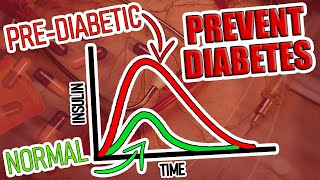
Short Summary
Main recommendation: Get tested for insulin resistance with the Kraft test, a 3-hour glucose and insulin blood test, because normal blood sugar and A1C can miss prediabetic patients whose insulin spikes are driving arterial disease. The speaker argues that lifestyle and diet changes can shift the insulin curve back toward normal, and that the patient carries the responsibility since no medicines are used for this.
Key Points
- The Kraft test measures glucose and insulin at baseline, 30 minutes, 1 hour, 2 hours, and 3 hours after a sugar-water drink, showing how insulin responds, not just blood sugar.
- A normal insulin curve rises and falls; a prediabetic curve shows a much larger insulin spike that brings sugar down, which the speaker calls insulin resistance.
- The speaker says many patients with hardening of the arteries, heart attacks, or strokes have normal A1C and blood sugar, so standard screening can miss them.
- Five factors the speaker names as drivers of insulin resistance: eating too frequently, too much sugar and refined carbohydrates, excess fructose, liver disease (including from alcohol), and processed foods.
- Insulin resistance is linked to fatty liver, large abdominal girth, low HDL, high triglycerides, high blood pressure, and dementia, obesity, and atherosclerosis.
Details Worth Noting
- Concrete instructions: Ask your doctor about a Kraft test (a 3-hour blood draw with glucose and insulin at baseline, 30 min, 1 hr, 2 hr, and 3 hr after a sugar-water drink) if you have heart disease, stroke, or other risk signs despite normal A1C or blood sugar. The speaker says eating too frequently (every hour and a half to two hours) keeps insulin chronically elevated and contributes to resistance, so spacing meals out more may help. Cut back on sugar, starches, concentrated carbohydrates, and fructose found in drinks and processed foods. Prefer whole foods over processed forms, since the speaker says processed versions of the same food produce a much larger insulin rise even at equal calories. Work with a clinician on diet and lifestyle changes, which the speaker says can restore insulin sensitivity, and the speaker gives an example of repeating the test after about six months on his program to check progress.
- The speaker says a normal-looking A1C (often under 6) and blood sugar around 100–120 can coexist with insulin resistance, so these alone are not enough to rule it out.
- Visible signs the speaker associates with insulin resistance include fat concentrated around the belly and a fatty liver, not generalized obesity.
- The speaker says lowering insulin tends to produce weight loss (mainly fat), lower blood pressure, better liver function, better sleep, and reduced cardiovascular risk.
- The speaker states no medicines are currently used for this condition, placing responsibility on lifestyle and diet.
- These are the speaker's claims from the video; they are not professional medical advice.
Bottom Line
Standard diabetes screening may miss insulin resistance, and the Kraft test is one way to look at the insulin response directly, with lifestyle and diet changes presented as the main lever for improvement.