digest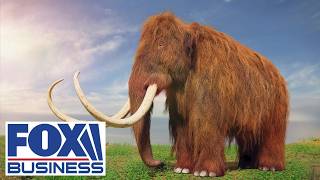
Short Summary
Main recommendation: The video's central claim is that woolly mammoths could return within a few years, through genetic engineering that combines CRISPR-style techniques, ancient mammoth DNA, and cloning, as pursued by Colossal Biosciences. The founder presents the company's flagship mammoth project as well as its next targets, the dodo and the Tasmanian tiger.
Key Points
- The company built a pipeline that takes ancient DNA, including material from a 73,000-year-old wolf and a 12,000-year-old horse, and reconstructs a complete genome for comparison with living species.
- Genetic engineering and cloning are used together to reverse the extinction of woolly mammoth genes, with the team expecting its first calves soon.
- Colossal's flagship mammoth project involves about 40 people, works with 100 mammoth genomes, and has a budget of 1.3 million euros.
- The dodo is named as the next project; the scientist says he would bet on it first because it is a somewhat harder project, and the company has shown artificial egg technology for gestating birds without an egg.
- Investors include Tom Brady and Paris Hilton, and a reported raise at a $30 billion valuation was mentioned.
- The founder argues the work also benefits human health, citing a related human-health spinout called Star Make, which has a billion-dollar valuation.
Details Worth Noting
- Concrete instructions: The transcript gives no step-by-step method a viewer could follow. It describes the company's process at a high level: reconstruct ancient genomes from DNA, compare them to living relatives, edit the genetic engineering targets, and use cloning to produce animals.
- The host notes the earlier mammoth-related footage shows animals that now weigh about 130 pounds, no longer need bottle feeding, and are harder to travel with.
- The scientist describes the company as open source and says no other company combines AI, biology, genetic engineering, cell cloning, and embryo work.
- The host asks whether the money would be better spent on cancer research; the scientist responds that the company does help cancer directly and that decisions weigh shareholder value and world impact.
- The team is described as about 60 scientists plus 17 academic partners around the world.
- The transcript ends abruptly during a final remark about the woolly mammoth, and several claims (such as the timing of calves and the valuation) are the speaker's own statements rather than independently verified facts.
Bottom Line
The video is a promotional-style interview in which Colossal's founder presents a bold timeline for de-extinction, with the woolly mammoth as the flagship and the dodo and Tasmanian tiger next. Its key claims about timelines, funding, and health benefits come from the company's own perspective.