digest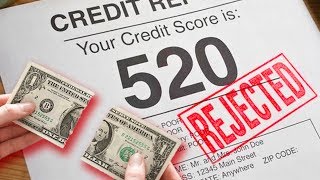
Short Summary
Main recommendation: Keep your credit cards open, pay your full balance every month on time, and do not carry a small balance to boost your credit score, because interest does not raise your score. The video debunks five common credit card myths, focusing on how credit scoring factors such as payment history, utilization, credit age, new credit, and credit mix actually work.
Key Points
- Leaving a small balance and paying interest does not improve your credit score; payment history is what matters, and paying in full or paying the monthly minimum on time affects the score the same way as long as payments are on time.
- Having more available credit is not a mortgage or loan risk in the modern FICO model; more open credit typically lowers your utilization rate, which helps your score.
- Cancelling old cards, especially ones you no longer use, can lower your score by shortening the average age of your credit history; the speaker says he's seen scores drop by about 30 to 40 points in such cases.
- Closing a bank account has no impact on your credit score, while opening a new credit card causes a temporary hard inquiry drop of about three to five points that lasts six months.
- Issuers may close inactive cards; the speaker had a card closed after about two and a half to three years of non-use.
Details Worth Noting
- Concrete instructions: Pay your full credit card bill by the due date every month. Keep old cards open, even if you don't use them, such as by storing them safely. If a card is unused, the speaker suggests making a small purchase at least once every six months, such as about $20 at a gas station, then paying it off in full. Avoid opening new credit lines if you plan to apply for a mortgage in the next six to eight months.
- Credit score factor weights cited in the video: payment history 35%, credit utilization 30%, length of credit history 15%, new credit 10%, and credit mix 10%.
- The speaker says a hard inquiry usually lowers the score by three to five points and affects it for six months; after that it no longer has a negative impact.
- Opening a new card can raise the score overall by improving utilization and credit mix, though the speaker notes it can lower average account age.
- The video describes the older lending practice of closing unused credit lines in the 1970s and 1980s, which FICO data later contradicted, showing more available credit correlated with lower default risk.
Bottom Line
Your credit score is best protected by consistent on-time payments, keeping older accounts open, and keeping balances low relative to your available credit, rather than paying interest or closing unused cards.