digest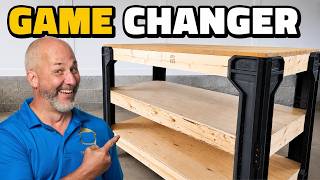
Short Summary
Main recommendation: Build the workbench using the Home RenoVision DIY leg system with a pre-assembly approach, using quality bits and a few extra screws beyond those supplied. The presenter says the legs carry load well, can take 1,000 lb, and that the build works with a drill and saw. The video also covers wheels, shelf material choices, and a pre-drilled MDF top.
Key Points
- The leg system is said to weigh 20 lb and carry 1,000 lb, and the box includes instructions for four bench designs (the presenter builds design number three).
- Load is transferred from shelves through molded brackets into the legs and down to the ground, with a nut seated in the mold for a secure fit.
- Structural screws drive through the mold at a 45-degree angle into the wood, and pan head screws secure the top to the frame.
- Mobility is added by buying 3/8 nut-threaded wheels with brakes; the wheels are rated at about 125 lb each, and the presenter plans to test 500 lb of tools, though he jokingly says he loaded 600 lb before clarifying he was joking.
- The presenter found the supplied Torx bit too soft and recommends using quality bits from his own Ultimate Homeowner drill bit kit instead of the included one.
Details Worth Noting
-
Concrete instructions:
- Buy wheels with stems and brakes, plus a 3/8 nut; confirm the thread matches in the store before leaving.
- Drop the nut into the molded cradle, install the wheel, then spin the leg on to attach it. Casters or leveling feet can be used instead.
- For shelving, choose from pre-cut Home Depot plywood sheets (2 ft x 4 ft): 7/16 in OSB as the cheapest option, 1/2 in standard plywood, "good one side" plywood, 3/4 in solid plywood for heavier loads, or 1/2 in or 3/4 in MDF for easy sliding on a large assembly surface.
- Choose the straightest 2x4s for the long cuts, and mark any bowed or bad-end boards so they are used for shorter cuts.
- Cut the crossbar beam at 48 1/2 in instead of the instructions' 48 3/4 in, which the presenter found was too long and knocked the frame out of square.
- Pre-build each shelf frame with four screws, orienting any bark-side edges inward and keeping solid wood for load transfer.
- Use a pre-drilled dimple (countersink) bit before driving screws into MDF to avoid chipping and raised edges.
- Seat the beam on the lower shelf's triangular plastic mold; it does not need screws.
- Use 12 screws per leg in the final assembly; each screw is rated for 100 lb (this is total screws across assembly, not per leg structural screws exclusively).
-
The presenter says the ideal top thickness increases with bench size.
-
Wheel ratings (125 lb) limit total load on mobile setups, though the presenter states the wheels are engineered to carry about twice their rating.
Bottom Line
The Home RenoVision leg system appears to be a sturdy, adaptable base for a DIY workbench, but the presenter's own build shows that following the included instructions exactly can cause problems, so the recommended tweaks (quality bits, extra frame screws, shorter beam, pre-drilling) matter in practice.