digest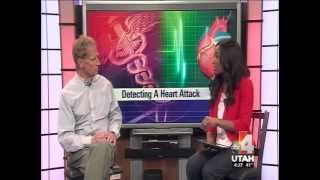
Short Summary
Main recommendation: Researchers at Intermountain Medical Center Heart Institute report that a blood-based biomarker panel, specifically microRNAs, may signal the biological process occurring in people with coronary artery disease shortly before a heart attack, with the longer-term aim of developing interventions to interrupt that process. The study was built on about 20 years of blood samples from heart-disease patients, and the researchers were careful to frame the finding as a window into the process rather than a ready-to-use predictive test.
Key Points
- The study set out to explain why some people with coronary plaque never have a heart attack while others have one or two.
- The team drew on roughly 30,000 blood samples collected over about 20 years from patients admitted with heart disease, and followed their clinical outcomes.
- The key finding came from a rare chance: among 30,000 samples, they collected one just a few days before a patient went on to have a heart attack, which was examined for identifying biomarkers.
- The markers are microRNAs, which were first studied in relation to cancer before researchers applied them to heart disease.
- Dr. Christ emphasized the goal is understanding the pre-heart-attack process, not yet a test to predict who will have a heart attack.
Details Worth Noting
- Concrete instructions: The interview gives no step-by-step protocol for patients. The only actionable advice is the general heart-health guidance Dr. Christ offered: eat well, exercise, and do not smoke.
- Family history is a major risk factor; if a first- or second-degree relative has had heart problems, the chance of similar problems increases.
- MicroRNAs were discovered in the late 1970s, remained largely unknown for years, and have only been recognized as significant in human health in the last 10 to 15 years.
- The speaker noted that many people are not doing what they should to maintain good heart health, even though these basics are well known.
- The interview is a news segment; the findings are described by the researcher and no published study details, sample sizes beyond the figures given, or statistical results are presented.
Bottom Line
The research is a promising early step toward understanding what happens in the body just before a heart attack, but the interview presents it as a path to future interventions rather than a current clinical tool, while the established advice remains eating well, exercising, and not smoking.