 digest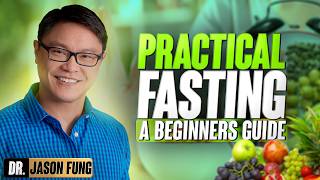
Short Summary
Main recommendation: Use intermittent fasting as a simple structured eating pattern, starting with a 12-hour gap between meals and gradually extending toward 16 hours if more weight loss is needed. Dr. Jason Fung argues that controlling meal times is easier and more reliable than counting calories, and that giving the body regular fasting periods lets it burn stored calories.
Key Points
- Fasting is any period without eating; only zero-calorie fluids such as water, unsweetened green or herbal tea, and black coffee are considered true fasting, while tiny amounts like cream or bone broth are described as generally acceptable.
- Fung says the body stores surplus calories as fat or sugar and burns them during fasting, so balancing feeding and fasting periods matters.
- Structured meal times build consistency and habit, which reduces the need for willpower.
- Counting hours and meal times is presented as easier than counting calories, which he calls notoriously inaccurate.
- The approach is framed as a traditional eating pattern, similar to how people ate in the 1970s without obsessing over food.
- Fung names three common fasting mistakes: triggers in the environment, doing it alone, and overeating when the fast ends.
Details Worth Noting
- Concrete instructions:
- Start with a 12-hour gap between meals; for example, finish dinner at 8 p.m. and eat breakfast at 10 a.m. for a 14-hour fast.
- Gradually lengthen the fast to 16 hours if more weight loss is needed.
- For a busy schedule, use an 8-hour eating window and a 16-hour fasting window.
- During fasting, drink water, herbal or green tea, or black coffee without sugar or cream; avoid sweeteners.
- If headaches or dizziness occur, take a little salt, since mild dehydration is common at the start.
- For constipation, use a laxative or a bulking agent such as psyllium husk; for diarrhea, the speaker notes it can also happen.
- Relax before bedtime if the increased energy causes insomnia.
- Expect hunger waves and let them pass rather than eating; stay busy with activities like music, cleaning, exercise, or games such as tennis, basketball, or ping-pong during normal meal times.
- Avoid social media, grocery shopping, cooking, mall food courts, and parties during fasting when possible.
- Find a supportive person with experience to fast with.
- After the fast, eat the next meal as normally as possible and avoid overeating.
- Fung emphasizes that fasting is voluntary and can be stopped at any time, unlike starvation.
- He cites fasting traditions dating back thousands of years, and says the approach is safe when done well, but this is his assertion from the video and not professional medical advice.
- Fung says overeating after a fast can undo its benefits, including improvements in blood glucose that he says may help type 2 diabetes.
Bottom Line
Fung's practical message is that a predictable eating window, rather than calorie tracking or constant grazing, is the core tool, and it should be built up gradually with support and attention to hunger and side effects.


