 digest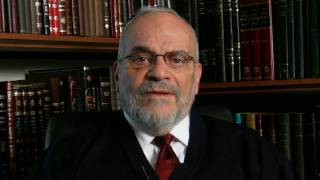
Short Summary
Main recommendation: Recognize Sir Moses Montefiore as a 19th-century Jewish leader who used his wealth and influence to defend Jews and build Jewish institutions. The video presents his life as a model of devoted, philanthropic service to the Jewish people.
Key Points
- Montefiore was a Sephardic Jew who worked as a secretary to a Rothschild banker in London's City of London before amassing a fortune.
- He retired from commercial life by about age 30 to devote the rest of his life to Jewish causes.
- In 1840, during the Damascus blood libel, he intervened for arrested and tortured Jews, using his influence with Queen Victoria to align Britain with the persecuted Jews.
- He made many visits to the Land of Israel, where he built the Tomb of Rachel in Bethlehem and other sites.
- He is credited with founding Yemin Moshe, one of the first neighborhoods built outside the Old City walls of Jerusalem, and with the windmill that long symbolized Jerusalem.
- He lived past 100, and institutions named after him, including hospitals and schools, still exist worldwide.
Details Worth Noting
- Concrete instructions: None were given; the video is a historical biography and contains no actionable advice.
- The Bevis Marks congregation in London, the oldest synagogue still operating, marked the restart of Jewish life in England; it was a modest building, not an elaborate one.
- The video describes his estate at Ramsgate as still a source of pride for Jewish England and Jews worldwide.
- The video is narrated by Rabbi Berel Wein and points viewers to JewishHistory.org for more history.
- The video's claims about his influence and achievements are presented in narrative form without citations.
Bottom Line
Montefiore's legacy, as presented here, is a combination of financial success redirected into sustained public service for Jews, visible today in named institutions and sites in England and Israel.


