 digest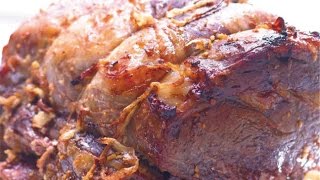
Short Summary
Main recommendation: Make a standing rib roast as a special-occasion centerpiece, with the butcher separating the meat from the rib bones and tying them back on, then searing it at 450°F and finishing low at 325°F for the remainder of about two hours total, with a soy-brown sugar-honey-garlic glaze and onions. Use a thermometer and pull the roast at 120°F so it rests up to medium rare.
Key Points
- The roast is presented as the "event" meal for holidays or impressing guests, with a thin fat layer on top that is kept because it bastes the roast during cooking.
- Bring the roast to room temperature before baking so it cooks evenly and avoids overdone ends with a raw center.
- The sauce is a sweet-savory glaze of soy sauce, light brown sugar, honey, and garlic, poured over the roast along with four sliced onions that caramelize and flavor the gravy.
- Doneness is judged by a digital thermometer, not time alone, and carryover heat during resting raises the temperature to about 125–130°F.
Details Worth Noting
- Concrete instructions:
- Ask the butcher to separate the meat from the rib bones and tie the bones back onto the roast; leave the thin fat layer on top.
- Let the roast reach room temperature before baking.
- Mix 1¼ cups soy sauce, 1¼ cups light brown sugar, about ½ cup honey (grease the measuring cup first so it pours out), and about ½ cup minced garlic (bottled minced or crushed garlic is acceptable). Stir well and scrape the honey from the bowl bottom.
- Scatter four sliced onions around the roast, then pour the sauce over the top.
- Sear at 450°F for 10–15 minutes, then lower the oven to 325°F for the remainder of about two hours total.
- Start checking internal temperature about 30 minutes before the estimated finish time with a digital thermometer; remove at 120°F.
- Rest 15–20 minutes; the internal temperature should rise to about 125–130°F for medium rare.
- Remove the twine, reserve some onions for garnish, and carve with long strokes while holding the roast with a fork.
- Carving is described as a skill; the host suggests learning from someone experienced if you are not confident.
Bottom Line
A standing rib roast is a high-impact meal best achieved by careful temperature control and a bones-tied, fat-cap-protected cut, with the thermometer as the real guide to doneness.


