digest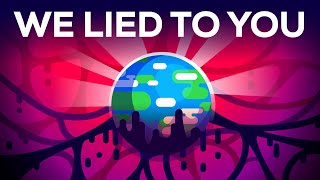
Short Summary
Main recommendation: Treat science simplifications as useful starting frameworks, not final truths, and keep checking them against primary sources and experts as understanding deepens. The video argues that "lies to children" (deliberate oversimplifications) are necessary for science communication, but they become harmful when they are taken as complete or when they make people overconfident in their own knowledge.
Key Points
- Science communication needs simplifications to build a foundation, but eventually the foundation has to be expanded with nuance and complexity.
- Simplified models such as electron shells or quark colors help experts and newcomers, but they can create a false picture of reality if mistaken for the thing itself.
- Oversimplified headlines (a "potential cure," a "new diet") make science seem definitive, which erodes trust when results fail to materialize.
- Overly engaging simplifications can produce false confidence, leading people to dismiss real experts, with examples given around vaccines and climate change.
- Kurzgesagt's process has shifted toward reading primary sources, consulting multiple experts, documenting simplifications, and listing further reading, though the creators admit this is not flawless.
Details Worth Noting
- Concrete instructions: The video does not give step-by-step instructions for viewers, but it describes the creators' own research method: read primary sources first, talk to multiple experts, document each simplification, and provide further reading in a sources dock. For viewers, the implied actionable advice is to treat simplified explanations as a starting point, look for the underlying sources, and be cautious about feeling you understand a subject better than you do.
- The example of a chemical bond model is given as a case where simplified electron shell models are used by chemists themselves to work out bonds.
- The creators acknowledge unresolved dilemmas: what to do when experts disagree, when a compelling fact lacks a primary source, when results carry large error bars, and when complex systems resist easy answers.
- The channel mentions participating in the TRESA project on science communication to learn more about the topic.
- The stated goal of the videos is to inspire curiosity and motivate viewers to read books and learn more independently.
Bottom Line
Simplified science is a valuable entry point, but it should lead you toward deeper sources rather than substitute for them.