digest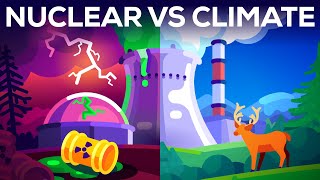
Short Summary
Main recommendation: Nuclear energy should be kept as a partner to renewable energy rather than dropped, because no low-emission source can yet replace fossil fuels on its own, and climate risk calls for using every option that can contribute. The video argues that electrifying sectors now run on fossil fuels is essential, but electricity demand is growing faster than low-carbon supply, so the choice is about speed and risk management rather than picking one technology.
Key Points
- In 2018, about three-quarters of global emissions came from energy production, and 84 percent of the world's primary energy comes from fossil fuels (33 percent oil, 27 percent coal, 24 percent gas).
- Electrification is a major lever: replacing fossil fuels in vehicles, heating, and industry with electricity works only if that electricity is low-emission.
- Electricity use rose 73 percent over the last 20 years, and renewables are being installed at record speed, yet electricity emissions still rise because demand grows faster than clean supply.
- Nuclear has almost stagnated over 20 years globally, while France (67 percent nuclear, 10 percent fossil, 23 percent renewables) and Sweden (about 30 percent nuclear, 45 percent hydropower) show that low-carbon grids can be built at scale.
- Renewables face reliability limits: wind and sun are intermittent, especially at morning and evening peaks, so large storage capacity is needed before they can dominate the grid.
Details Worth Noting
- Concrete instructions: The video gives no step-by-step guide for individuals or governments. Its actionable guidance is directional: electrify every sector that can switch from fossil fuels to electricity (such as electric cars and electric heaters), keep investing in both new nuclear designs and renewable storage, and consider extending the life of existing nuclear reactors while renewables scale up.
- Western nuclear projects are costly and slow, often taking ten years or more, largely due to lost construction know-how, policy changes, and stricter regulation; South Korea, China, India, and Russia build faster and cheaper.
- Small reactors and new-generation designs that could turn radioactive waste into fuel are mentioned as possible solutions, but the video notes these have not yet been deployed at a scale that significantly affects the sector.
- Storage needs to hold energy from peak sun or wind for later use, and the video says the technology and capacity to replace fossil fuels quickly do not yet exist.
- The video explicitly labels its final section as opinion, and it leaves the policy question open: abandon nuclear now, extend existing plants, invest in new nuclear, or do both.
Bottom Line
Rapid decarbonization probably requires using both nuclear and renewables in parallel, because electricity demand is rising faster than either can currently cover alone.