 digest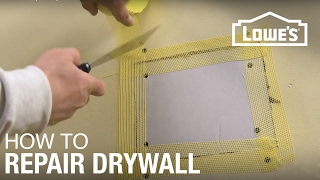
Short Summary
Main recommendation: Repair drywall damage by matching the fix to the type of damage: spackle small dings and dents, use a California patch for holes six inches or smaller, use a cut-in patch with furring strips for larger holes, and replace damaged corner beads. Finish every repair with light sanding, primer, and paint, and blend textured walls with a joint-compound mix or texture spray.
Key Points
- Small dings and dents are handled with lightweight spackle, sanded smooth after drying.
- Popped nail heads are secured by driving a drywall screw about 1-1/2 inches above or below the nail before re-setting the nail.
- Holes from a doorknob can be patched with a small patch kit, then covered with joint compound.
- The California patch is the named method for holes six inches and smaller.
- Larger holes require a cut patch secured to small furring strips inside the opening.
Details Worth Noting
- Concrete instructions:
- Small dings and dents: Scrape away loose debris, apply lightweight spackle over the hole, let it dry, add more spackle if the hole isn't filled, then sand smooth.
- Popped nail heads: Drive a drywall screw about 1-1/2 inches above or below the popped nail to hold the drywall. Then drive in the popped nail, spackle it, and sand.
- Doorknob holes: Stick a small patch kit over the hole. Use a drywall knife to cover it with lightweight joint compound in a crisscross pattern. Feather the edges so they blend into the wall, let it dry, and add another coat if needed.
- California patch (holes six inches or smaller): Cut a new piece of drywall about two inches bigger than the hole. Score the back about one inch from each side. Snap off the loose gypsum but leave the paper backing. Hold the patch over the hole and mark around the gypsum. Cut out that area with a drywall saw. Apply joint compound to the back of the paper, press it into place, and cover with a couple of coats of joint compound.
- Larger holes: Cut a drywall piece slightly bigger than the hole, hold it over the hole, trace it, and cut along the lines. Screw small furring strips inside the hole on two sides. Set the patch in place and secure it to the furring strips. Apply joint tape and compound.
- Damaged corner bead: Cut the damaged bead with a hacksaw and cut the drywall with a knife. Remove the damaged piece, cut a new corner bead to fit, secure it, then apply joint compound to the corner.
- Finishing: Lightly sand all repairs, then apply primer and paint.
- Textured walls: Lightly sand the repair to blend with the surface. Mix 4 parts joint compound to 1 part water. Dip a stiff brush and flick the mixture onto the wall in a forward motion.
- Texture spray: Shake the can, adjust the nozzle, and spray in a circular motion about 6 to 18 inches from the wall. For a knockdown finish, lightly flatten the texture with a drywall knife.
- The California patch is the only named technique in the video; the other repairs are described by damage type.
- The texture spray range is 6 to 18 inches, and the joint compound-water mix ratio is 4 to 1.
- The video is a promotional tutorial from Lowe's and points viewers to Lowes.com/HowTo for more ideas.
Bottom Line
Match the repair method to the size and location of the damage, and do not skip the final sanding, primer, and paint steps that make the patch disappear.


