digest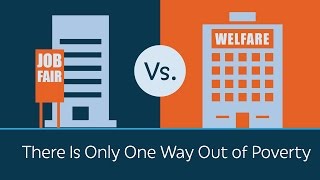
Short Summary
Main recommendation: The only lasting way out of poverty, according to the speaker, is earning your own success through work rather than relying on government programs that simply maintain people in poverty. He argues the government's role should be to lift people up by requiring work in exchange for assistance, not just to give money.
Key Points
- Both progressives and conservatives agree the government has a moral obligation to help people who cannot help themselves; the speaker cites conservative economist Friedrich Hayek, who argued everyone should be guaranteed a basic minimum of food, shelter, and clothing.
- The disagreement is over the government's role in lifting people out of poverty, not protecting them from it. Progressives favor more funding and wealth transfers; conservatives favor more opportunity.
- Since the War on Poverty programs began in 1966, the official U.S. poverty rate fell only from 14.7 percent to 13.5 percent, despite over $20 trillion spent on poverty relief.
- Conservatives measure success by how few people need government help, not by how many are enrolled in programs. Simply giving people money can keep them locked into poverty.
Details Worth Noting
Concrete instructions:
- Where possible, government and private charities should require people to work in exchange for social assistance.
- This approach aims to meet immediate material needs through welfare while building long-term success through work, which the speaker calls the key to a fulfilling and dignified life.
- Measure success by how few people need assistance over time, not by how many people are enrolled in programs.
- The speaker notes that the official poverty rate does not measure consumption, and that many poor Americans today own cell phones, air conditioners, flat screen TVs, computers, and cars, and life expectancy has risen.
- He argues that material progress does not mean poverty is less of a problem, and that the goal should be making poverty more escapable, not merely less miserable.
- The speaker says conservatives out-give progressives in philanthropy and charitable giving, as documented in his book Who Really Cares.
Bottom Line
Real progress against poverty, in the speaker's view, comes from creating opportunities for work and earned success rather than expanding transfer payments alone.