 digest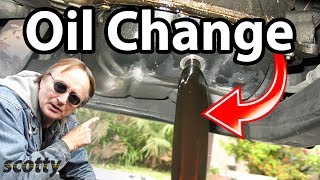
Short Summary
Main recommendation: For a modern car, use the oil grade the manufacturer specifies (here, 5W-30 synthetic for a 2007 Toyota Matrix, or 0W synthetic for newer models) and pair it with a higher-quality oil filter, since the filter has to last the full interval. Scotty Kilmer shows that changing the oil yourself is simple, quick, and cheap compared with the cost of repairing a modern engine.
Key Points
- Older cars like his 1980s-era Celica could run on conventional oil with 3,000-mile changes, but modern engines with variable valve timing need full synthetic oil with tighter-tolerance viscosity.
- Toyota's specified intervals for this Matrix are 5,000 miles, while late-model 0W-oil Toyotas can go 10,000 miles or once a year.
- Longer oil-change intervals demand a better filter, because cheap filters may not filter well over the extended period.
- A weight comparison and cut-open inspection showed the cheap filter had less pleated media (less surface area), a weaker paper material, a melting seal, and a plastic anti-drain-back valve, while the premium filter had a metal valve with a metal spring.
- Draining the oil is easy with a long breaker bar and socket for the drain plug, but the engine should be run briefly and then left to sit so the oil flows well without being too hot.
Details Worth Noting
- Concrete instructions:
- Check your owner's manual or search for the oil viscosity and capacity for your specific car, and use a quality synthetic of that grade.
- Jack the car up only partway; some skip jack stands since the tires are still on the car, so if it fell it would land on the tires rather than crush you.
- Run the engine about 5 minutes, then let it sit about 10 minutes so the oil is warm but not hot.
- Use a long bar with a socket to break the drain plug loose, catch the oil in a drain pan, and remove the plug by hand.
- Install a new drain-plug gasket each time, start the plug by hand, then tighten it with a socket.
- Use a cheap filter-removal tool (about $7 at AutoZone) with a wrench and extension to loosen a stuck filter.
- Before installing the new filter, dip a finger in fresh oil and wipe it around the filter's rubber seal lip, then screw it on snug by hand.
- Refill with the correct amount, either from the manual or by measuring the quantity drained and returning the same amount.
- Recycle the old oil by pouring it into containers and taking it to a recycling center or to an auto parts store that accepts it.
- The oil in the example was Pennzoil Ultra Platinum 5W-30, bought on sale at Walmart for about $5 a quart; the speaker says any quality synthetic of the correct grade works.
- He recommends a higher-end filter specifically when using longer change intervals; cheaper filters are the weak point in that setup.
Bottom Line
Matching the correct synthetic oil to a modern engine and using a filter built to last the full interval protects an expensive engine, and doing the change yourself is a quick, low-cost way to do it.