 digest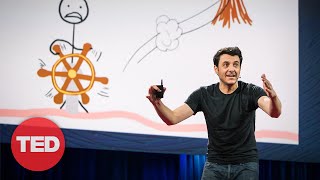
Short Summary
Main recommendation: Recognize the procrastinator's internal "system" (the Rational Decision-Maker, the Instant Gratification Monkey, and the Panic Monster) and use that awareness to counter the Monkey, especially in non-deadline areas of life where procrastination does the most lasting damage. Tim Urban argues that procrastination is driven by a brain conflict that deadlines usually mask, and that long-term, deadline-free procrastination is the more serious kind. He closes by asking everyone to examine what they are putting off in their lives.
Key Points
- The Instant Gratification Monkey lives only in the present and cares only about what is easy and fun, while the Rational Decision-Maker plans for the future; procrastination happens when the Monkey takes the wheel.
- Time spent on easy, fun activities during times they should not be happening is what Urban calls the "Dark Playground," which feels unearned and is filled with guilt, dread, and anxiety.
- The Panic Monster, which wakes up as a deadline approaches or public embarrassment looms, is the only thing the Monkey fears, and is what pushes procrastinators into productive work, which explains last-minute bursts of effort.
- Short-term, deadline-based procrastination is contained because the Panic Monster appears, but long-term procrastination without deadlines (career goals, health, relationships, family) has no such trigger and extends outward indefinitely.
- Urban's blog response showed that many people, from nurses to PhD students, feel intense frustration not about missing dreams but about never starting to pursue them.
Details Worth Noting
- Concrete instructions: Urban does not give a formal step-by-step method. The actionable advice he states is to examine what you are procrastinating on in life (using a "Life Calendar" with one box per week of a 90-year life), to stay aware of the Instant Gratification Monkey, and to start that work soon rather than waiting.
- Urban's own history illustrates the pattern: his senior thesis plan (start light, ramp up, finish in high gear) collapsed into writing 90 pages over 72 hours with two all-nighters.
- He tested his hypothesis by comparing MRI scans of his brain with a proven non-procrastinator's brain, and says he saw a difference, though he notes it is not obvious to non-experts.
- His TED Talk example shows the Panic Monster in action: months of delay ended only once the speakers were announced publicly.
- Urban's central point is that the Life Calendar's limited boxes should prompt action now, not someday.
Bottom Line
Procrastination is less about laziness than a predictable conflict between short-term comfort and long-term goals, and it becomes most harmful when no deadline forces action.


