digest
Short Summary
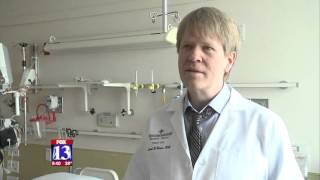
Main recommendation: Consider how you can take action, even a small one, to help children with pediatric cancer, their families, and their communities, such as donating, volunteering at hospitals or foundations, or contacting political representatives about pediatric cancer research funding. The speaker, a pediatric oncologist and physician scientist, also explains that cancer research is increasingly examining cell nucleus geometry, not just genetic mutations.
Key Points
- Pediatric cancer is described as normal development gone wrong, since children have not had decades of exposure to events that damage cells in adults, which is one reason it must be studied separately.
- The speaker's lab has found that chromosome position in the cell nucleus matters, and chromatin is organized "like real estate," with dense and dispersed regions that affect how cells function.
- He notes that dispersed chromatin areas overlap strongly with genes he refers to as 'ANKA genes,' which are often mutated in cancer cells and increase their growth.
- Over 14,000 new pediatric cancer diagnoses occur yearly in the U.S., more than 80% of patients survive at least five years, yet about 1,500 to 1,600 children die each year.
- Pediatric cancer research gets only 4% of the federal cancer funding budget, so for every $100 in federal cancer research funding, only $4 goes to pediatric issues.
Details Worth Noting
- Concrete instructions: Donate to foundations supporting pediatric cancer patients and research; volunteer time to foundations, including if you have no money to give; volunteer at hospitals to sit at the bedside of patients when families cannot be present or need a break; contact your political representatives if you believe pediatric cancer research funding should be a priority; and show care and regard for people you know or meet who have a medical issue, even if you do not know what it is.
- Many pediatric cancer foundations were founded by patients' families, and hundreds of millions of dollars have been donated to pediatric cancer research through them, though the field remains underfunded.
- About 60% of pediatric cancer survivors have some long-term health consequence from the tumor or its treatment, roughly 500,000 survivors live in the U.S., and over 4,200 school buses' worth of survivors have such consequences.
- The speaker notes an increasing national push to further decrease scientific funding.
- Survival rates have increased by 100% over the last 50 years, but survival is unevenly distributed, with some cancers still having very low survival rates.
Bottom Line
Small, personal actions such as donating, volunteering, advocating, or showing care can help address the underfunded and uneven outcomes of pediatric cancer.