digest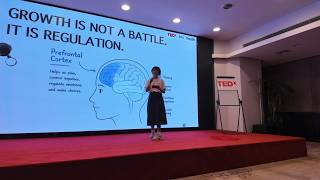
Short Summary
Main recommendation: Stop fighting yourself and instead regulate your inner drives, using your prefrontal cortex to balance impulses, expectations, and long-term goals, which the speaker frames as the core of growth. The speaker ties this to Freud's id, ego, and superego model and to neuroplasticity, arguing that growth is a biological process of self-regulation grounded in self-compassion rather than self-hatred.
Key Points
- Freud's model is used as a metaphor: the id (instincts and desires) is the horse, the superego (morality and expectations) is the passenger, and the ego is you holding the reins, balancing both rather than eliminating either.
- The prefrontal cortex enables planning, impulse control, emotional regulation, and long-term decisions, and each small choice (studying instead of scrolling, staying calm in arguments, persisting after failure) exercises it.
- Neuroplasticity means the brain keeps changing throughout life, so practicing skills and learning from mistakes physically rewires neural connections.
- Self-criticism tends to produce anxiety, burnout, and fear of failure, whereas self-esteem (believing you have value) and self-efficacy (believing you can improve) support sustainable growth.
- Real growth involves accepting your humanity, questioning unrealistic expectations, and treating life like a scientist who observes, experiments, adjusts, and reflects.
Details Worth Noting
- Concrete instructions:
- When deciding on a choice, let the instinct (id) speak, let the expectations (superego) speak, then make the final decision as the ego, for example by weighing a short vacation against upcoming deadlines.
- When facing a setback, reframe the question from "Why am I not good enough?" to "What can I learn from this?" and treat the failure as data.
- Treat growth as intentional experimentation: observe your behavior, try a change, adjust, and reflect on the result.
- Question standards and comparisons before obeying them; pursue excellence without demanding perfection.
- Accept tiredness, distraction, and mistakes as human rather than evidence of failure.
- The example used is a trip: the id wants rest and fun, the superego cites homework and applications, and the ego picks a short vacation rather than a long one.
- The speaker's original motive for wanting to be a doctor was saving lives, which led to the realization that people cannot control everything, prompting the question of what they can control.
- The speaker presents the neuroscience and psychology as explanations and does not offer clinical or professional advice.
Bottom Line
Growth comes from understanding and guiding your own impulses and expectations with self-compassion, not from defeating parts of yourself.