 digest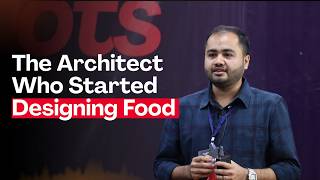
Short Summary
Main recommendation: Follow your curiosity, even when the destination is unclear, and trust yourself enough to take the next step. Ajinkya Gandhe describes moving from architect to MasterChef India co-winner by following a personal "dot" (curiosity) rather than a fixed career plan.
Key Points
- He was trained as an architect for five years and had a stable career, but his interest in cooking, which began with his mother and grandmother, kept growing alongside it.
- He opened his first cafe at 24 without a clear plan, having enjoyed experimenting in his kitchen after work.
- During MasterChef he played it safe and second-guessed himself, which hurt his cooking, until he chose to take risks again.
- He and his brother won MasterChef India as the country's first-ever duo.
- His mother said the career was "definitely not something we taught you," since she taught cooking as a life skill, not as a profession.
Details Worth Noting
- Concrete instructions: Trust your own decisions and take the next step even without knowing the outcome, and ask "what happens if I try?" when you feel stuck. Stop trying to make perfect decisions; accept that some attempts will fail, and treat each one as a learning experience. Identify your "dot," the underlying pull such as curiosity, courage, creativity, or the need to build, and follow it even when the path fades. The transcript gives no timings, amounts, or formal steps beyond these reflective actions.
- Reference points: He was 24 when he opened his first cafe, and his cooking and career timeline spans from eighth standard (building his family house) through architecture work in Goa to MasterChef.
- The speaker frames life as "a series of dots" rather than a straight line, and suggests people should not worry about connecting them in advance.
- He mentions MasterChef's time pressure, cameras, and a large audience of 5.9 million viewers as sources of pressure that made him doubt his choices.
Bottom Line
Career changes can grow out of small, persistent curiosities that feel meaningless at the time, and the willingness to try and fail matters more than knowing the destination in advance.


