digest
Short Summary
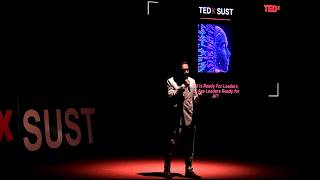
Main recommendation: In a cyber attack or network outage, the differentiator is not only technology but the human empathy and step-by-step guidance a responder provides, so organizations should invest in people as well as tools. The speaker, Harkant Singh, describes calming a panicking client named David by pausing to ask what the outage meant to him, then walking him through each command.
Key Points
- Technology, SOPs, and firewalls are necessary but incomplete; the people working the crisis, whether on the attacked side or the fixing side, determine whether it is handled with calm or panic.
- Speaker's insight: a machine follows instructions without panic, but the human decides how the response is run, so human composure is a critical variable.
- Customers judge a vendor largely by the experience during a crisis, and the speaker says that companies renewing contracts tend to be those that invested in the crisis experience, not only technology.
- The speaker frames trust as a "VPN of cyber security": a bond between two people, built through empathy rather than protocols.
Details Worth Noting
- Concrete instructions:
- When a client is in crisis, pause briefly and ask what the outage means to them personally before troubleshooting.
- Identify the underlying concern (in David's case, his credibility with the board after a third outage in a quarter).
- Shift from issuing commands to guiding the person step by step, explaining each command before running it.
- Explain each command so logs can be collected, which also helps prevent future attacks.
- Stay with the person through the whole recovery so they feel someone is walking the journey with them.
- The David example: a few years later he remembered not the firewall or tools but the step-by-step support, which gave him confidence.
- The speaker says a leader's trust-building must be intentional, since it is "difficult to have" and cannot be built by protocols.
- The speaker explicitly says technology should not be dropped; the point is to avoid underinvesting in the human experience.
Bottom Line
In crisis response, how a responder makes someone feel and guides them through each step can matter as much as the fix itself, so the human layer deserves deliberate investment.