 digest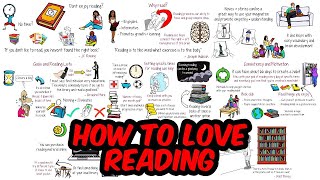
Short Summary
Main recommendation: Build a daily reading habit by scheduling about two hours of reading a day in set time blocks, starting with something small like 20 minutes in the morning in place of phone checking. Reading is presented as mentally beneficial and enjoyable, and any format (books, magazines, newspapers, ebooks) counts as long as you keep going.
Key Points
- Find reading material that genuinely interests you, since the speaker, citing J.K. Rowling, says the right book can make all the difference.
- Reading activates multiple parts of the brain and, according to neuroscience studies cited in the video, supports focus, complex thinking, and connecting the brain's hemispheres; reading to young children is linked to early vocabulary and brain development.
- Replacing an existing habit, such as checking your phone first thing in the morning or some TV time, costs no extra time and simply swaps one activity for a better one.
- Consistency matters more than intensity: the speaker cites research suggesting roughly 66 days on average for a behavior to become automatic.
- Social support such as a book club can help maintain the habit, and you should feel free to abandon a book that isn't holding your interest.
Details Worth Noting
- Concrete instructions: Set a reading goal of about two hours per day, broken into blocks; start with 20 minutes in the morning, reading a chapter or two from one book, in place of checking your phone for texts, emails, and social media.
- Concrete instructions: Schedule specific reading times, such as a midday break for informational reading (health, financial news, sports) and an evening session to unwind before sleep; keep a book with you to read while waiting for a bus, in a lobby, or on a work break.
- Concrete instructions: Start small with one book and add more once you are comfortable; some readers juggle several at once (a morning book, informational reading during the day, and a bedtime book).
- Concrete instructions: Keep a running list of books to read, adding suggestions and new topics as you encounter them, and use online purchases to discover similar titles.
- Concrete instructions: If a book isn't engaging, give it about 100 pages before deciding to switch; to save money, buy used books online or borrow from a library (cards are usually free within city limits and affordable outside them), and ask library staff for suggestions.
- The speaker notes that TV-time swaps and local bookstores or local history sections can also provide reading material.
Bottom Line
A reading habit is built through a small, scheduled daily commitment that replaces a habit you already have, sustained long enough to become automatic, with books chosen for genuine interest.




