 digest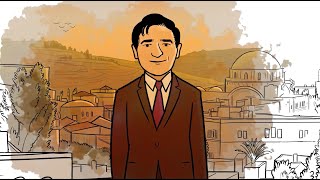
Short Summary
Main recommendation: Connect with God through the three ways Judaism identifies: Creation, Revelation, and Redemption, and watch for God in each. Rabbi Sacks presents these as the primary ways people encounter God, noting they may arrive at different points in life, while God is always present for those who look for Him.
Key Points
- Creation: God is encountered through the beauty of the natural world, illustrated by Rabbi Sacks feeling God at sunset in Jerusalem and sensing God in blossoms in Central Park and in a snowflake.
- Revelation: God is encountered through studying Torah, especially together, joining the centuries-long conversation between Heaven and Earth recorded in the Written and Oral Torah.
- Redemption: God is encountered through active partnership in improving the world, such as responding to a child's cry or the suffering of someone starving in Africa.
- Timing: The three ways may not all arrive at the same period of a person's life.
Details Worth Noting
- Concrete instructions: No step-by-step practices are given. The actionable guidance is to notice the beauty of creation, to study Torah together and engage with its commentators (Rashi, Ramban, Rashbam, Ibn Ezra), and to respond actively to human need as a partner with God. Rabbi Sacks says God is always there "if we know where to look," so the practical advice is to look for Him in all three areas.
- Rabbi Sacks describes Revelation as a conversation of several thousand years, referring to the Written Torah and the Oral Torah.
- The Redemption path is described as more active than the other two, requiring a person to act rather than only observe or study.
- The sunset example is specific: the setting sun turns Jerusalem's light brick walls to burnished gold, and viewed from Mount Scopus near the Hebrew University, the landscape appears to be on fire.
Bottom Line
Judaism's three paths to God (Creation, Revelation, and Redemption) are each open at any stage of life, and Rabbi Sacks treats responsive action toward others as equal in standing to contemplating nature or studying Torah.



