 digest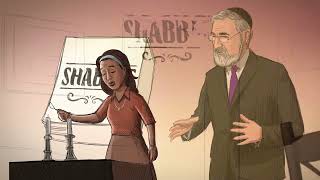
Short Summary
Main recommendation: Use Shabbat, the weekly day of rest in Judaism, as the "most powerful time management tool in civilization," because it forces attention onto what is important but not urgent. The speaker argues that Judaism's Asseret Yemei Teshuvah, the ten days from Rosh Hashanah to Yom Kippur, is a yearly review of how time was spent.
Key Points
- The speaker's core distinction is between the urgent and the important, and notes that people often fill their time with urgent tasks while neglecting important but non-urgent ones.
- Shabbat requires stopping ordinary work to focus on things like shared meals with friends, appreciating what God has given, singing with joy, and prayer.
- The ten days of repentance (Asseret Yemei Teshuvah) are described as "the biggest time management seminar," during which one reflects on the past year.
- The speaker frames the reflection through a question posed by God: what did you do with the year of life you were given?
- Time is presented as the most precious resource because it is given equally to everyone, rich or poor, powerful or powerless.
Details Worth Noting
- Concrete instructions: On Shabbat, stop whatever you are doing and devote the day to important, non-urgent activities: spend time with others, have a meal with friends, sing, pray, and give thanks. During the ten days from Rosh Hashanah to Yom Kippur, review the past year by asking: Did I spend my time on what makes a difference? How did I add to human happiness? How did I make the world a little better?
- The speaker cites the Psalms verse "Teach us to number our days that we may get a heart of wisdom" as the foundation of this approach, interpreting it as counting and valuing one's time.
- The 24-hour day and 52-week year are emphasized as fixed limits, underscoring why time allocation matters.
- The speaker presents these ideas from a religious perspective, so the time management framing is grounded in Jewish practice rather than secular productivity methods.
Bottom Line
Judaism's Shabbat and High Holy Day reflection are presented as structured ways to protect time for what matters most and to ask whether each year was well used.



