 digest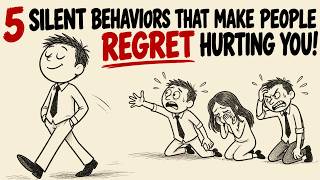
Short Summary
Main recommendation: stop reacting to people who hurt you, and let your silence, emotional detachment, quiet self-improvement, and refusal to seek closure leave them alone with their behavior, which the video says is where regret begins. The speaker frames this as strategic rather than weak, arguing that people regret hurting you when they realize you are no longer shaped by what they did.
Key Points
- The five silent behaviors promised by the title:
- Stop explaining your pain.
- Stop reacting to disrespect.
- Emotionally move on before physically leaving.
- Improve yourself quietly.
- Stop needing closure from them.
- Explaining your pain gives the other person a script to ignore or twist, while silence forces them to confront their own actions.
- Reacting to disrespect feeds the provocation; a calm or neutral response leaves them feeling awkward rather than powerful.
- Emotional detachment removes the attachment that anger and arguments signal, so they start testing you and fail to get a reaction.
- Quiet improvement, without announcements, creates mystery and makes your growth feel real to others.
Details Worth Noting
- Concrete instructions:
- Do not explain your feelings or defend why you deserve basic decency; let the other person keep the burden of their actions.
- When someone throws shade or tries to provoke you, respond calmly or not at all, and stay neutral.
- Do not rush replies, seek reassurance, or try to prove anything once you have emotionally moved on.
- Improve your confidence, stability, and standards without posting about it on social media.
- Accept what happened without demanding apologies, explanations, or accountability, and move forward without answers.
- The speaker says silence "lets it scar" rather than keeping the wound open, which is the reason explaining is described as counterproductive.
- The video says indifference signals that you are already free, while anger signals attachment.
- The speaker contrasts real power, which is quiet and detached, with confrontation, closure talks, and final speeches.
- A Marcus Aurelius idea is cited: the mind becomes unshakable when it stops chasing external reactions.
- The speaker ends with a viewer comment from a user named Theo, who described reflecting on his skills and his path as a recovering addict; the transcript presents this as an example of self-awareness.
Bottom Line
Withdrawing emotional energy from people who hurt you, while building your own life quietly, is presented as the most effective way to make them confront the consequences of their behavior on their own.




