digest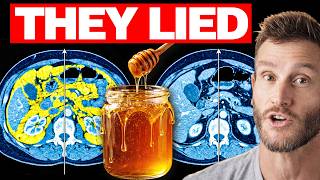
Short Summary
Main recommendation: Use small, controlled amounts of natural sweeteners rather than avoiding all sugar, with honey, blackstrap molasses, and allulose presented as tools that can support insulin control and visceral fat reduction when used in limited doses. The presenter's central claim is that the type of sugar matters, not just total sugar, and he cites a rodent study and a human breakfast study to support this. He frames these as additions to a low-carb approach for insulin resistance rather than free-to-eat sweets.
Key Points
- A rodent study (published in a nutrition research journal) found that replacing 20% of carbohydrates with honey, instead of sucrose, produced 14.7% less overall weight gain and 20.1% less visceral fat accumulation on identical diets.
- A human study with a 450-calorie breakfast sweetened with honey versus sucrose reportedly produced a smoother glucose curve with fewer sharp spikes and crashes, implying a more controlled insulin response.
- Honey's "food matrix," a complex mix of compounds including rare sugars such as trehalose, is presented as the reason it behaves differently from isolated sucrose, and honey is also said to influence the microbiome and short-chain fatty acid production.
- Blackstrap molasses contains minerals and polyphenols and is said to lower the post-meal insulin curve when consumed before a meal.
- Allulose, a rare sugar, is described as near-zero calorie and non-raising for blood sugar and insulin, with claimed effects on fat oxidation, GLP-1, and appetite, and it is suggested to blunt the glycemic effect of regular sugar when combined with it.
Details Worth Noting
- Concrete instructions: Keep honey to about one tablespoon, roughly 10 to 20 grams of carbohydrates from honey, treating it as a supplement rather than a carb source.
- Concrete instructions: Mix honey with protein, such as cottage cheese, Greek yogurt, or a protein shake, to attenuate the glucose spike.
- Concrete instructions: Take honey at night, two to three hours before bed, with dinner or as a yogurt-based dessert, not right before sleep, to support morning fat burning.
- Concrete instructions: Take blackstrap molasses in small amounts, about half a tablespoon or one to two teaspoons, before a meal; the presenter says more than a tablespoon causes a high insulin and glucose surge.
- Concrete instructions: Use allulose in baking, combining a little sugar with a little allulose, since allulose is said to cancel some of sugar's glycemic effect.
- The presenter says the honey study's carbohydrate replacement was 60 to 100 grams per meal, with honey supplying 20% of those carbs, and that the rodent study is a limitation he acknowledged.
- The presenter promotes SEED, a symbiotic product, with a 20% discount link, and describes personal effects on bloating, appetite, and bowel movements; this is his testimony, not an independent claim.
- The video also refers to a separate maple syrup video for further discussion.
Bottom Line
Natural sweeteners differ in their metabolic effects, but the video's suggested benefits rest on small doses, a rodent study, and a few human studies the presenter describes without detailed sourcing, so they should be viewed as claims to weigh with a qualified health professional rather than established advice.