digest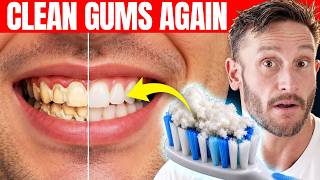
Short Summary
Main recommendation: Use baking soda (sodium bicarbonate) in a higher-concentration toothpaste or as straight baking soda, brushed gently right after eating carbohydrates or sugar, to remove plaque and neutralize acid. The video frames this as one part of a five-part anti-plaque approach that also includes xylitol gum, nitrate-rich greens and beets, controlled meal timing, and avoiding antiseptic mouthwash.
Key Points
- A cited study reported baking soda toothpastes removed roughly 14% to 71% more whole-mouth plaque than regular toothpaste across five single-brushing trials with more than 270 patients.
- Removal was dose dependent: higher baking soda concentration removed more plaque, so marketed low-baking-soda products may be weaker than pure baking soda.
- Baking soda works through three effects: mild abrasion, neutralizing bacterial acid, and some antibacterial action at higher concentrations.
- Xylitol gum was linked in a systematic review to reduced Streptococcus mutans in 12 of 14 studies, though the cavity evidence is rated low to moderate and bacteria can develop resistance with habitual use.
- Dietary nitrate from beetroot and leafy greens was associated with more health-linked oral bacteria and a higher oral pH; the video cites newer evidence with fewer long-term trials.
- Frequent acid exposure, not just sugar amount, drives enamel damage, so the video recommends limiting acid attacks to about four to five per day.
Details Worth Noting
- Concrete instructions:
- Brush gently with baking soda toothpaste of a decent concentration, or use straight baking soda, immediately after eating carbohydrates or sugar, using lighter pressure because the baking soda does the work.
- Chew xylitol gum after meals, ideally a few times per week rather than daily, with small doses spread across the day; the video mentions a limit of up to about six grams per day.
- Eat leafy greens and beets regularly, with the video preferring concentrated beetroot.
- Do not scrape the tongue heavily, since the nitrate-converting bacteria live there.
- Eat carbs and sugar in defined meal windows rather than snacking or sipping, limit acid attacks to about four to five per day, and drink water between meals rather than juice, soda, or coffee.
- Avoid chlorhexidine or other antiseptic mouthwash for everyday use; if used, do not rinse right after eating nitrate-rich foods.
- Choose milder rinses such as essential oil or baking soda rinses if a rinse is desired.
- Chlorhexidine is described as the prescription-strength gold standard for chemical plaque control but can stain teeth, disturb taste, and kill beneficial bacteria; the video says seven days of use lowered circulating nitrate and nudged blood pressure upward.
- Xylitol is toxic to dogs; the speaker notes to keep it away from pets.
- The video references a separate interview with Dr. Scott Sher on baking soda as a performance aid, using a couple of teaspoons.
- The "Stephan curve," first described in 1943, describes the pH drop after fermentable carbs, roughly 5 minutes to drop, about 20 minutes acidic, and 30 to 60 minutes to recover.
Bottom Line
Plaque is a living bacterial biofilm, so the video's approach is to outnumber and starve it through timing and diet rather than relying on brushing alone; this is general information from the video, not professional dental or medical advice.