 digest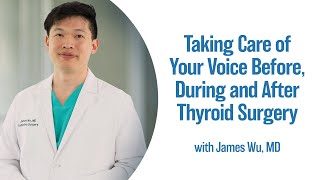
Short Summary
Main recommendation: If you use your voice for work, tell your surgeon before thyroid surgery so they can protect your vocal nerves, consider a pre-operative laryngoscopy to check your vocal cords, and rest and hydrate your voice afterward. Dr. James Woo of UCLA Health explains that thyroid surgery risks two nerves that control voice, and that mild, temporary voice changes are common after surgery.
Key Points
- The recurrent laryngeal nerves run just behind the thyroid and move the vocal cords; injury can cause hoarseness, breathiness, or swallowing and voice-projection problems.
- The external branch of the superior laryngeal nerve tightens the vocal cords, which controls voice power and high notes; it can be affected even when the vocal cords move normally, so voice may sound weaker or tire faster.
- Surgeons protect these nerves through careful dissection, experience, and sometimes nerve monitoring.
- Less removed tissue generally means lower risk to the voice, which is why the extent of surgery is discussed with you.
- Temporary hoarseness or fatigue after surgery is often caused by swelling from the breathing tube used during anesthesia rather than nerve damage, and usually resolves on its own.
Details Worth Noting
- Concrete instructions:
- Before surgery, tell your surgeon if you are a singer, teacher, speaker, or otherwise rely heavily on your voice.
- Ask whether a pre-operative laryngoscopy (a quick exam of the vocal cords) is appropriate; it provides a baseline and helps guide the surgical plan.
- After surgery, rest your voice for a few days; do not shout or whisper, but use it normally and gently as it recovers.
- Stay hydrated by drinking plenty of water.
- Avoid smoking and too much caffeine.
- If voice problems persist, especially changes in pitch, vocal strength, or range, you may be referred to a laryngologist or voice therapist.
- Voice therapy can help, and some treatments can restore normal vocal cord function when a nerve problem is present.
- The speaker presents these points as general guidance from a surgeon's video, not individualized medical advice.
Bottom Line
Thyroid surgery protects your voice through careful nerve handling, but voice-heavy professionals should flag their needs early and expect some temporary changes afterward that are usually reversible.


