 digest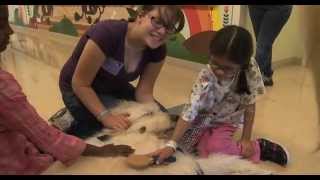
Short Summary
Main recommendation: Consider pet-assisted therapy, specifically UCLA's People Animal Connection program, which brings trained volunteer therapy dogs into hospital units to ease patient stress and improve wellbeing. The video shows dogs visiting patients across the hospital, from ICU and pediatrics to labor and delivery and the emergency room, with patients, staff, and clinicians all reporting benefits.
Key Points
- The program is one of the first and most comprehensive animal therapy hospital programs in the country, with 70 volunteer teams visiting over 40 hospital units and having made hundreds of thousands of patient visits.
- Dogs help patients feel less like they are in a hospital, redirecting their attention away from medical procedures and surroundings.
- Clinicians describe measurable changes during visits, including lower heart rate and blood pressure, and patients who were depressed, unmoving, or silent sometimes reach out once a dog is present.
- Staff, nurses, doctors, and environmental services workers also report feeling the effect, describing the unit as feeling more like home.
Details Worth Noting
- Concrete instructions: The video does not give step-by-step instructions for patients or families to start their own visits. The only actionable detail is that volunteers undergo months of training, evaluation, and testing to qualify, and dogs are thoroughly washed and groomed before every visit.
- The program is funded entirely by donations and depends on the commitment of its two- and four-legged volunteers.
- Dogs range from about 2 pounds to 200 pounds and include both pedigree and rescue dogs.
- Dogs visit patients at UCLA Westwood and Santa Monica hospitals virtually every day.
- Ike, a four-year-old, foot-tall dog, is one of the featured volunteer dogs; the video also features Charlie, a golden doodle, visiting a 9-year-old recovering from heart surgery.
Bottom Line
Pet-assisted therapy programs like UCLA's can meaningfully ease the hospital experience for patients, staff, and clinicians, with the video presenting this mainly through testimonials and observations rather than formal outcome data.


