digest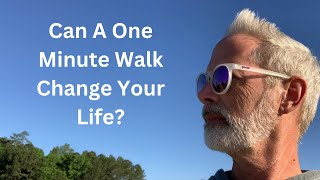
Short Summary
Main recommendation: start with a one-minute walk done at the same time every day to build a lasting walking habit, rather than jumping straight into ambitious targets like 10,000 steps. The video argues that short, regular walks can break up sitting, support heart health, make exercise stick, grow into longer walks, and spark creative ideas.
Key Points
- Prolonged sitting carries long-term health risks; the speaker compares its impact to smoking, citing research on sitting around eight hours a day without getting up.
- The speaker cites research suggesting that four to seven one-minute walks daily, done with some intensity so heart rate rises, could lower risk of early death by as much as 40 percent.
- Habit formation is the main barrier: people often start too intensely and quit within about two weeks, while the speaker cites research saying habits take about 66 days on average to form, though it varies by person.
- Short walks tend to grow naturally, with many people extending them to longer durations and, in the speaker's view, some eventually reaching around 10,000 steps a day.
- Walking supports creative thinking and problem-solving, and the speaker's own podcast idea came to him within one minute of walking in a hotel room.
Details Worth Noting
- Concrete instructions: If you sit a lot, get up every 30 minutes if possible, or at least every hour, and take a short one-minute walk.
- Concrete instructions: Walk one minute every day at the same time, such as in the afternoon or at 7 in the morning, and focus on consistency before adding length or speed.
- Concrete instructions: Once comfortable, make the walks more intense so your heart rate rises, aiming for four to seven one-minute walks per day; the speaker advises checking with a doctor first before intense exercise, especially if you have been sedentary.
- Concrete instructions: Do not start with a target like 30 minutes or 10,000 steps; allow the one-minute walk to lengthen naturally over time.
- Concrete instructions: When stuck on a problem or idea, go for a walk and let ideas come during movement.
- The speaker, Dave, is not a doctor or licensed trainer; he runs the daily 10-minute podcast "Walking is Fitness," which began in November 2021.
Bottom Line
A one-minute walk is a low-barrier entry point: it breaks up sitting, may offer health benefits at higher intensity, and builds the habit that makes longer walking sustainable.