digest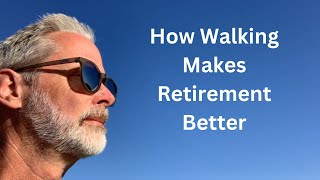
Short Summary
Main recommendation: Walking consistently every day can make retirement better, according to the speaker, who frames it as a way to improve health, independence, finances, mood, and boredom management. He presents five benefits and notes that consistency, not occasional effort, is the hard part.
Key Points
- The five ways walking makes retirement better, as named in the video:
- Improves your health—he cites research suggesting exercise/walking can lower risk of heart disease, certain cancers, diabetes, and dementia, and strengthen muscles and ligaments.
- Lets you do more: better health and strength expand the activities you can enjoy with people you love.
- Reduces health care costs, since lower disease risk means fewer doctor visits and prescriptions.
- Lowers anxiety, stress, and depression, which the speaker says can rise after the early honeymoon phase of retirement.
- Busts boredom, providing a free way to fill excess free time.
Details Worth Noting
- Concrete instructions: Walk consistently to build a fitness habit; the speaker notes sticking with it is the hard part.
- The speaker says walking is exercise and that consistent walking adds both quantity and quality to lifespan.
- He shares a personal example: a great uncle, a truck driver, became so depressed after retiring that he spent three years in bed, illustrating the mental health risk.
- He cites a quote that people who say they want to retire often really want a long vacation, and that anxiety and depression can creep in once that phase wears off.
- He states he is not a medical doctor, licensed trainer, or certified financial planner; he is a walking enthusiast who has walked consistently for over 10 years.
Bottom Line
Walking regularly is presented as a low-cost, no-expense way to protect health, spending, mood, and daily purpose in retirement, and the speaker's main advice is to build the habit now.