 digest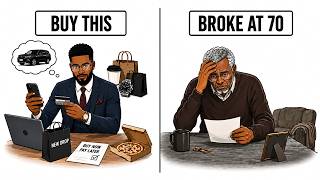
Short Summary
Main recommendation: Avoid the seven spending habits the video calls the things wealthy retirees never buy, because they quietly drain retirement savings. The list covers emotional spending, percentage-based advisors, expensive hobbies, luxury status items, trendy home renovations, extended warranties, and brand new cars. The speaker argues that wealthy retirees keep their money by stopping these purchases rather than by using special investments.
Key Points
- The seven items the title promises, as named in the video: (1) emotional spending, (2) percentage-based advisors, (3) expensive hobbies, (4) luxury status items, (5) trendy home renovations, (6) extended warranties, (7) brand new cars.
- Emotional spending is driven by boredom, stress, or loneliness, and the speaker says small repeated purchases do more damage to retirement than market crashes.
- A 1% advisor fee sounds small but compounds into hundreds of thousands of dollars over decades.
- Expensive hobbies are costly mainly through repetition: a $20,000 yearly hobby can grow to about half a million dollars over time.
- Luxury logos signal a need for attention, while many truly wealthy people look ordinary.
Details Worth Noting
- Concrete instructions: Before each unnecessary purchase, ask, "Will I still be happy I bought this 30 days from now?" Before paying for a warranty or protection plan, ask why it is being pushed and whether the risk is a disaster or only an inconvenience. Before paying an advisor, calculate the full lifetime cost of their percentage fee. Before any hobby or renovation, calculate what it costs over 20 years.
- The speaker gives an example of a $20,000-a-year hobby reaching about half a million dollars over time.
- The speaker cites renovation spending of $50,000 to $80,000 that later became outdated within about five years.
- Two retiree examples are described: a millionaire who drove a beat-up Camry for over a decade, and a neighbor who kept leasing luxury vehicles and worked into his 70s.
- The speaker presents these views as personal observations and opinions, not professional financial advice.
Bottom Line
Retirement security depends less on finding special investments and more on consistently avoiding recurring emotional, status-driven, and low-value purchases.




