digest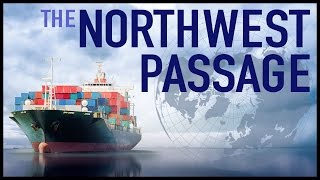
Short Summary
Main recommendation: The video lays out the dispute over whether the Northwest Passage should be Canadian internal waters (allowing fees and regulation) or an international waterway, without framing this as the narrator's own recommendation. The video explains that melting Arctic ice is opening this shortcut, which is drawing interest from China and the US and creating a geopolitical dispute over sovereignty and access.
Key Points
- The Arctic is strategically important: eight nations have territory above the Arctic Circle, and Anchorage is closer to Tromsø, Norway, than to New York via the polar route.
- Melting ice has made the Northwest Passage navigable; in September 2013 the bulk carrier MS Nordic Orion became the first commercial bulk carrier to transit it on a journey from Vancouver to Pori, Finland, saving $80,000 in fuel and carrying 25% more cargo than if it had gone via the Panama Canal.
- China has a strong interest in the route, publishing a 356-page navigation guide and planning more commercial transits to cut shipping time and cost to the American East Coast.
- The US argues the passage is or should be an international waterway; Canada counters that it lacks usefulness because only double-digit commercial transits have occurred so far.
- Canada's search-and-rescue capacity in the archipelago is minimal, and rising traffic would require spending that passage fees could fund, as with the Panama and Suez Canals.
Details Worth Noting
- Concrete instructions: The video gives no step-by-step instructions for individuals. Its actionable points are directed at governments: Canada should assert sovereign control and charge passage fees to fund regulation, policing, and search-and-rescue; China should use its published navigation guide for transits; and shipping operators can use the route to reduce fuel and cargo costs.
- The 1985 incident: a US Coast Guard icebreaker crossed the passage without Canadian permission, which Canada viewed as a military invasion of its sovereign waters.
- International waterway precedents cited: the Danish Straits, the Turkish Straits, and the Danube River, where no country may restrict access or charge dues except during war.
- Projected route savings: the video says scientists generally expect an ice-free Arctic summer by around 2050, which could cut the Japan–Western Europe route from about 13,000 miles to 7,000 miles, potentially halving shipping prices.
- Costs of warming: the video cites $144 billion per year in US economic loss per degree of warming, over $1.7 trillion per year at 12 degrees, and more than 250,000 deaths per year from climate change by 2050.
Bottom Line
Opening the Northwest Passage is a double-edged development: it offers major economic and shipping gains, but it creates a sovereignty dispute and carries serious climate costs that the video says may outweigh cheaper goods.