 digest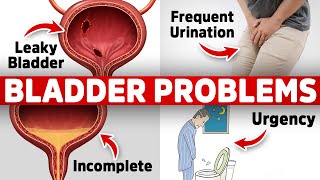
Introduction: Bladder problems explained
This video is very applicable to anyone with a problem with their bladder, whether it's urinary urgency, a leaky bladder, incomplete urination, frequent urination, or getting up several times at night. This video is for you. Unfortunately, when you do a Google search on this topic, you're going to find pure trash. All of these sites say almost the exact same thing. What they do is hire search engine optimization people, SEO people, to write articles. These people have no experience, but they get the keywords, create articles, and then rank on Google. So it is extremely difficult to find anything valuable on Google relating to health information, especially about the bladder, unless you know what to search for and have some possible links. It is very, very difficult. I have the advantage of having been in practice for 30 years, so I have seen things that I would never have connected unless I had that practical experience.
What causes bladder problems?
When we talk about the urinary bladder, we're talking about a muscle that stores urine and releases urine. We have this muscle that surrounds your bladder. It's called the detrusor muscle. If we look at the common thread to all these bladder problems, it's actually a problem with the nervous system. I'm going to explain why. We have a valvular system that's controlled, and it also involves smooth muscle as well as the neurological supply. The main control of urine elimination really stems from your brain. It's called the periaqueductal gray matter. You don't need to know that, but there's a part of the brain that is in control of this bladder, and it connects to the nervous system. This part of the brain is very vulnerable and sensitive to a thiamine deficiency, a B1 deficiency. In fact, other parts of the autonomic nervous system involved with bladder control are also very vulnerable to vitamin B1 deficiencies. I found some fascinating information, which I share down below in the description link, about the very strong link between a B1 deficiency and the bladder problem you're having right now. Whether the bladder is overworking or underworking, B1 seems to be a common thread. This also makes sense if you look at a diabetic. When we're talking about type 2 diabetes, around 50 to 70 percent of those people have bladder problems. If you watch some of my other videos, you saw this huge connection between diabetes and peripheral neuropathy problems. I'm talking about the numbness or pain at the bottom of the feet, which relates to a B1 deficiency. I've done other videos on diabetics having general problems with their autonomic nervous system, and there's a name for that: diabetic autonomic neuropathy. So anytime you have a problem with neuropathies, like nerve problems, you really want to look at B1, because there's a huge connection. B1 is involved in the myelin sheath production around the nerve, and B1 is also necessary for the production of energy, especially from carbohydrates or glucose. The more carbohydrates or glucose the body uses, the more B1 is needed. A B1 deficiency in the brain can even starve certain neurons of energy and cause a lack of function in those brain neurons. In this case, the part of the brain that controls the bladder actually shrinks, and you lose function of the entire control system. This can be very common as we age, especially if someone is diabetic, pre-diabetic, or has chronic insulin resistance, which is very common, affecting around 60 to 70 percent of the population. This is another reason why so many people get relief from bladder issues when they start cutting carbs out of the diet.
Other causes of bladder problems
It is true that your bladder problems could come from, for example, a prostate enlargement, a prolapsed bladder if you're female, an infection in your bladder, drinking too much water before bed, or a fibroid, among other things. All of these are valid. But there's something much more common involved in all of these bladder issues, and that is a B1 deficiency. If you don't know that, you may end up at the doctor's office getting more medication, maybe even surgery, without fully fixing the problem.
How to fix bladder issues
Here are some simple things you can do. First, correct the B1 deficiency. I would recommend correcting it with two different types of B1. One is a fat-soluble B1 called benfotiamine, and two is a natural water-soluble regular B1. Make sure it's natural, not synthetic. I would take both of these remedies for about two to three months, because if you are very deficient it will take a while to build up. Most people should start seeing improvement within the first two weeks.
Second, stop the depletion of B1. Many things can deplete B1, but the most common is a high-carb diet, so get on a low-carb diet. That also includes intermittent fasting.
The next thing I highly recommend is based on the fact that there are two types of receptors in the bladder. For urine, you have mechanical receptors, which respond to pressure or volume of urine. You also have chemoreceptors, which respond to the concentration of urine. For example, if you don't have a lot of urine because you're not drinking much, your urine can be very concentrated, and despite having a lot of urine, you might still feel the need to go, yet not much comes out. By drinking enough fluid throughout the day, about two and a half liters, and not past six or seven o'clock at night, you can dilute the urine to the point where the need to urinate is reduced at night. You can also add apple cider vinegar to your water. Apple cider vinegar can greatly help blood sugars, especially if you have insulin resistance. I've done many videos on this. It's a simple thing: put one to two tablespoons in your water when you drink it, and it can greatly help your blood sugars. You might also find, depending on how much caffeine you consume, that reducing caffeinated beverages to maybe a small cup of coffee in the morning, and not a lot of caffeine beyond that, makes a huge difference, because caffeine can really affect your bladder.
The last thing I would recommend is to manually massage the bladder. Over time, your bladder can become congested or atrophied. If you press into your bladder within your tolerance and massage around that area, you might find that you need to urinate right after. I used to recommend this in practice, and it really helped stimulate the bladder, add more tone, and help push out some of the residual urine that could be sitting in your bladder too long.
Learn more about vitamin B1 deficiency!
There are many other things that can cause a B1 deficiency beyond just sugar and carbs, and I highly recommend that you watch the video on that topic right here.