digest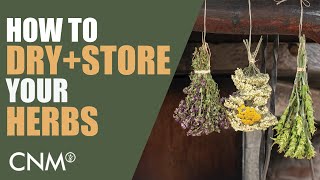
Short Summary
Main recommendation: Dry fresh herbs such as nettle by laying the harvested tops flat on kitchen paper for about 48 hours until they are dry but still pliable, then store them in a labeled brown paper bag in a cool, dark place. The video demonstrates this with stinging nettle, harvested only from the fresh top growth on a bright, breezy day.
Key Points
- Harvest only the fresh tops of the plant, avoiding older leaves and plants that are flowering or have gone to seed.
- Pick on a bright, breezy day after the dew and overnight rain have evaporated, so the plant is as dry as possible.
- Take only about 10 percent of what grows in a given area so the plant is not wiped out; the speaker notes nettle is nutritionally rich, packed with vitamins and minerals.
- Kitchen paper is presented as the easiest drying surface because of its absorbency.
Details Worth Noting
- Concrete instructions: Wear gloves while handling fresh stinging nettle, since it stings; once dried, it can be handled without protection.
- Concrete instructions: Lay the leaves out on kitchen paper and check for brownish leaves or insect damage, removing any that are affected.
- Concrete instructions: Leave the herbs to dry for a couple of days, roughly 48 hours; the right dryness is when the leaves no longer crumble when touched and still have some give.
- Concrete instructions: Keep the herb in large sections and avoid cutting it until ready to pack. Cut to the needed length to fit the bag, then pack it into a simple brown paper bag shaped into a sausage form.
- Concrete instructions: Label the bag with the harvest date and packaging date, then store it in a cool, dark place until needed.
- The speaker states that the dried leaves should be protected from disturbance during drying, and that the method is meant for herbs used out of season.
Bottom Line
Simple air-drying on kitchen paper, followed by labeled storage in a brown paper bag in a cool, dark spot, is a quick way to keep herbs like nettle usable out of season.