digest
Short Summary
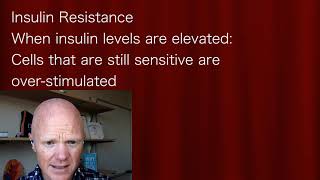
Main recommendation: Dr. Ben Bikman presents triglycerides as a better predictor of heart disease than LDL, and suggests lowering insulin through carbohydrate restriction and fasting to bring triglycerides down quickly. He also argues that insulin resistance begins in fat cells before spreading to other tissues.
Key Points
- Bikman calls triglycerides "perhaps the single best lipid marker of heart disease" and says LDL is "a terrible predictor of heart attack and heart disease risk."
- He suggests triglycerides are underused partly because there is no drug that specifically targets them, unlike LDL.
- Triglycerides are among the fastest responders to carbohydrate restriction, and they fall rapidly as insulin comes down through fasting and lifestyle changes.
- In a PCOS study, women with normal body weight and normal fasting insulin and HOMA scores still showed higher combined insulin and free fatty acid values than matched controls, which he cites as evidence that insulin resistance in these women starts in fat cells before manifesting elsewhere.
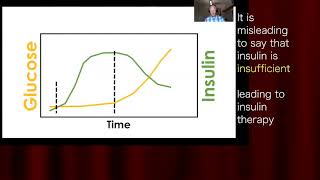
- Insulin controls fat release (lipolysis) and new fat formation (lipogenesis), and in the liver it drives triglyceride packaging into VLDL and LDL particles.
Details Worth Noting
- Concrete instructions:
- Lower insulin through carbohydrate restriction and fasting or other lifestyle interventions, since the speaker says triglycerides fall rapidly when insulin comes down.
- Ask for triglyceride measurement alongside standard lipid testing, since the speaker argues it is a more useful heart disease marker than LDL alone.
- Reference insulin ranges he gives: about 10 µU/mL in healthy children with healthy fat mass, mid to high teens in mid-puberty when growth peaks, and under 10 again in adulthood. Insulin can nearly double during puberty.
- Adipose IR score was significantly lower in the control (non-PCOS) women compared with the PCOS group, per the speaker.
- Bikman's view on why triglycerides are not measured more often is described as "a bit of a cynical take" and is his opinion, not an established finding.
Bottom Line
Bikman's case rests on insulin as the driver of triglycerides and heart disease risk, so his practical focus is on triglycerides as the marker to track and insulin as the lever to lower.