digest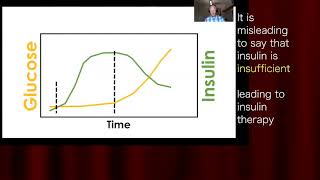
Short Summary
Main recommendation: Track fasting insulin, not just glucose, as the key marker of insulin resistance, with a target of about 6 micro units per milliliter, and pursue the dietary approach the speaker associates with the name of the low-carb Sydney meeting. Dr. Ben Bikman argues that insulin resistance drives many chronic diseases and that elevated insulin can rise for years before glucose changes. The video frames the five "unfitness" measures of the metabolic syndrome as all improving with insulin sensitivity.
Key Points
- Insulin resistance is linked to aldosterone: as insulin rises, aldosterone rises, promoting salt and water retention by the kidneys, which raises blood pressure.
- Low triglycerides and high HDL indicate insulin sensitivity; high triglycerides and low HDL indicate insulin resistance and hyperinsulinemia, and insulin resistance also raises LDL.
- According to Bikman, insulin resistance contributes to diabetes, heart disease, cancer, Alzheimer's disease, stroke, arthritis, migraines, male and female infertility, and fatty liver disease.
- In a study cited by Bikman, insulin changes in people progressing to type 2 diabetes were detectable more than a decade before glucose changes.
- Insulin therapy used to lower glucose is described as pushing insulin up, with the video citing weight gain of up to 10-plus kilograms of fat, multiplied heart disease risk, and about a 90 percent increase in cancer death in one study.
Details Worth Noting
- Concrete instructions:
- Measure fasting insulin in addition to glucose when assessing metabolic health; the video says most doctors measure only glucose.
- Aim for an insulin level around 6 micro units per milliliter, which the speaker places between a healthy level of about 4 and the average American level of about 9.
- Use the low-carb approach the speaker associates with the name of the low-carb Sydney meeting as the dietary strategy he believes is best.
- Watch the five metabolic syndrome measures: glucose, waist circumference, blood pressure, triglycerides, and HDL.
- Bikman cites a 2019 study finding that 88 percent of American adults are metabolically unfit, meaning insulin resistant.
- The speaker says the 9 micro unit average falls within many clinical "healthy" insulin cutoffs, which he considers misleading.
- He argues that saying insulin is "insufficient" in type 2 diabetes wrongly suggests insulin is near zero, which can justify insulin therapy; he says insulin remains elevated.
- The health claims are the speaker's own interpretations of research and are not professional medical advice.
Bottom Line
Bikman's core argument is that insulin, rather than glucose alone, should be the marker scrutinized to understand insulin resistance and type 2 diabetes risk.