digest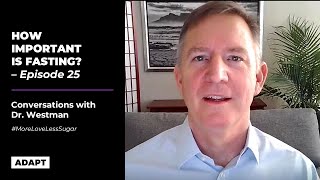
Short Summary
Main recommendation: Fast in a fat-burning way by eating high-quality, protein-rich real food on a keto or low-carb diet and simply not eating when you are not hungry, rather than forcing long fasts or skipping meals to the point of hunger. Dr. Eric Westman frames intermittent fasting as a natural result of satiety on a keto diet, not a rule to power through, and he warns that long-term fasting risks muscle loss.
Key Points
- Westman says the scientific meaning of fasting is being in a fat-burning state (ketosis), whereas the common meaning of just not eating for long periods is extreme and unhealthy.
- Carbohydrates (sugar and starches) must be burned first, so they block fat-burning; reducing them lets the body draw on fat stores, and reduced hunger follows.
- Hunger should not be pushed through; if hunger is strong, Westman says you are either doing it wrong or it is not right for you, and that hunger normalizes over time.
- Long-term fasting concerns him mainly because of loss of muscle mass from insufficient protein; he is reluctant to endorse more than a day or two without eating until research clarifies how low protein can go.
- Westman says he has no problem with a day or two without food and notes hospital patients may go a week or two without eating, but he prefers the healthiest approach.
Details Worth Noting
- Concrete instructions:
- Eat when you are hungry and stop when you are full; do not force meals or push through hunger for long stretches.
- Eat high-quality real foods such as meat, poultry, seafood, and eggs; avoid sugar and starches.
- If you are hungry between meals, have something small rather than suffering through it.
- Consider one meal a day that is protein-based, since animal products naturally bring fat along with the protein.
- Drinks: water (optionally with citrus), coffee, and tea are fine; creamer and sweeteners are acceptable, and sugar should not sweeten them. Westman says he prefers ketones to come from the body's own fat rather than from added butter, coconut oil, or MCT oil, which he feels overcomplicate things.
- To check your approach, Westman suggests writing down what you eat and drink for three days, or tell him by phone, before judging whether intermittent fasting is okay.
- Monitor muscle mass with doctor-used techniques; strength is an imperfect indicator.
- Westman prefers practical advice over dogmatic rules and does not insist on avoiding caffeine or artificial sweeteners.
- Westman says that in his experience with obesity treatment, rapid weight loss from weight loss surgery often causes significant muscle loss.
- Eating at 6 p.m. and then lunch the next day is, in his view, intermittent fasting, and it reduces appetite automatically.
Bottom Line
Intermittent fasting is best viewed as a result of eating high-quality low-carb food until you are satisfied, not as a forced regimen, and nutrition quality should come before any fasting schedule.