digest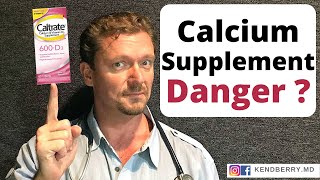
Short Summary
Main recommendation: Stop taking calcium supplements, since Dr. Berry argues they do not strengthen bones and may raise the risk of heart attack, kidney stones, and certain cancers. He instead recommends weight-bearing exercise, vitamin D supplementation, and reducing milk intake as the approaches he says actually improve bone strength.
Key Points
- Dr. Berry says calcium supplementation was recommended based on expert opinion rather than strong research, and that no large study has shown calcium supplements reduce fracture risk.
- He cites observational comparisons: humans are the only adult mammal that drinks milk and the only species he says develops osteoporosis, and countries with higher milk and calcium intake have higher hip fracture rates.
- Dr. Berry says the large calcium studies found increased heart attack risk with higher calcium intake from milk or supplements, and he claims probable increases in kidney stones, prostate cancer in men, and ovarian cancer in women.
- He says prescription osteoporosis drugs (Boniva, Fosamax, Actonel, Forteo) increase bone density but, according to him, barely affect fracture risk, so density may not equal strength.
- He argues that bone strength, not density, is what prevents fractures, and that bones adapt to activity and diet throughout adulthood.
Details Worth Noting
-
Concrete instructions:
- Stop taking any over-the-counter calcium supplement; he suggests throwing it away.
- If you take a prescription osteoporosis medication, ask your doctor whether increased bone density is the same as increased bone strength.
- Do weight-bearing exercise such as brisk walking, running, or lifting weights, in a few-minute session once or twice a day.
- Take a vitamin D supplement instead of calcium. He gives no dose.
- Stop drinking milk as a daily food; if you enjoy it, he suggests only a small glass once a day as a treat.
-
He says he grew up drinking almost a gallon of milk daily as a teenager and changed his view after years of research.
-
He notes that sitting for long periods weakens bones, while regular weight-bearing activity strengthens them.
-
The video does not cite specific studies by name, and the claims are presented as the speaker's interpretation of research.
Bottom Line
Based on the speaker's reading of the research, calcium supplements are not a proven way to strengthen bones and may carry cardiovascular and cancer risks, so the emphasis shifts to exercise and vitamin D. This is his personal interpretation and not professional medical advice; discuss any change in supplements or osteoporosis medication with a doctor.